All Benchstones

Shop All Benchstones

Ceramic Benchstones

Shop Ceramic Benchstones

Waterstones

Shop Waterstones

Diamond Benchstones

Shop Diamond Benchstones

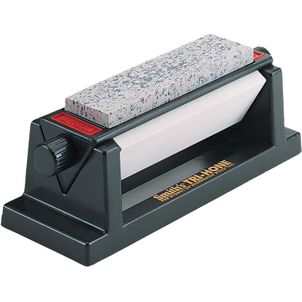
Tri-Hone Benchstones

Shop Tri-Hone Benchstones

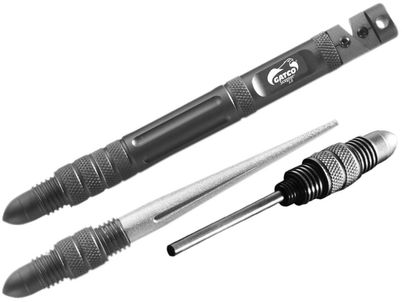
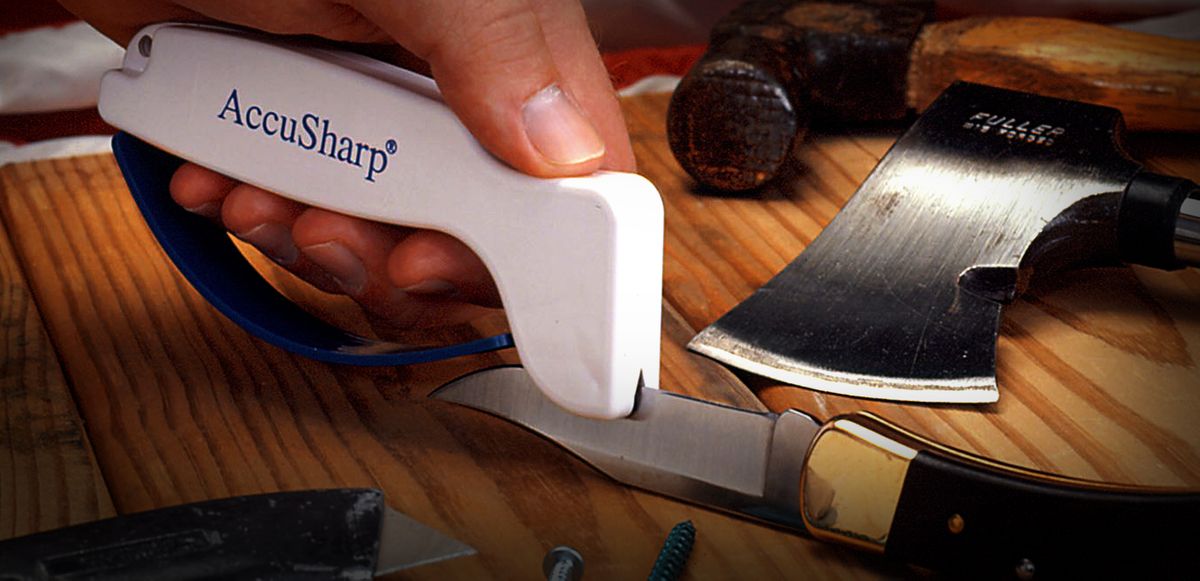
Pocket Sharpeners

Shop Pocket Sharpeners

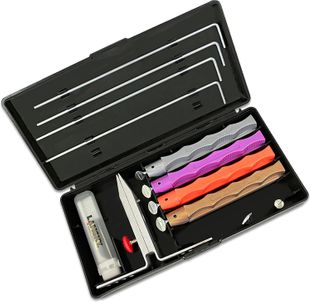
Clamping Systems

Shop Clamping Systems

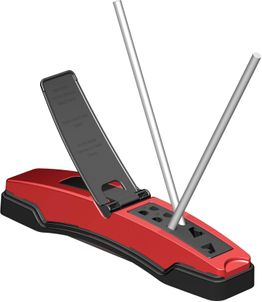
Ceramic and Diamond Rod Systems

Shop Ceramic and Diamond Rod Systems

Pull Sharpeners

Shop Pull Sharpeners

Dog-Bone Style Sharpeners

Shop Dog-Bone Style Sharpeners

Handheld Sharpeners

Shop Handheld Sharpeners

Sharpening Files

Shop Sharpening Files

Diamond Knife Sharpeners

Shop Diamond Knife Sharpeners

Slicing Edge Sharpening System

Shop Slicing Edge Sharpening System

Electric Sharpeners

Shop Electric Sharpeners

Butcher Steels

Shop Butcher Steels

Razor Strops

Shop Razor Strops

Benchstone Base

Shop Benchstone Base

Eraser Blocks

Shop Eraser Blocks

Sharpening FAQ

Maintaining a sharp edge is essential for the safety and performance of any knife, regardless of its steel type. Understanding the basics of edge refinement and choosing the right sharpening system makes it easy to keep your blades in peak cutting condition.

How does the knife sharpening process work?
Knife sharpening works by using an abrasive to remove material from one side of the edge until a thin ridge of metal, called a burr, is created on the opposite side. This process is then repeated on the other side of the blade, alternating sides every few strokes to keep the edge centered. Once a consistent burr is raised on both sides, you transition to progressively finer grits, ending with at least a 1000-grit abrasive to refine the edge.
How do you know if your sharpening angle is correct?
You can check your alignment by coloring the beveled edge of your knife with a black marker before you begin sharpening. If the marker ink is completely wiped away after a few strokes, your blade is contacting the abrasive at the correct angle. If marker remains on the shoulder or the very edge, you need to adjust your angle or utilize a system with preset guides to ensure accuracy.
What are the advantages of guided sharpening systems?
Guided sharpening systems take the guesswork out of maintenance by ensuring you hold a consistent angle throughout the entire process. Systems like the Spyderco Sharpmaker use preset slots to hold abrasive rods at fixed angles, requiring you only to keep the blade vertical. Other designs, such as the Lansky Universal, clamp the blade in place and guide the stones along metal rods to maintain a precise, user-selected angle.
Can electric belt sharpeners damage a knife blade?
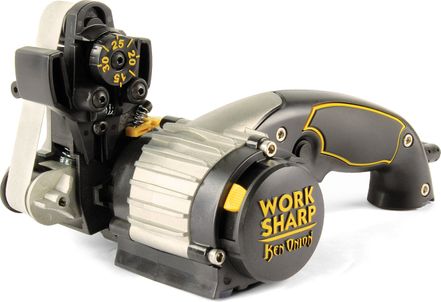
Electric belt sharpeners are safe and highly efficient, but they can damage a blade if you run the motor too fast and overheat the steel, which ruins its temper. To prevent this, you should keep the motor speed slow and draw the blade across the belt at a steady pace of about one inch per second. Modern systems, like the Work Sharp Ken Onion Edition, feature adjustable speeds and angle guides to help you safely achieve professional results.