History of Boker
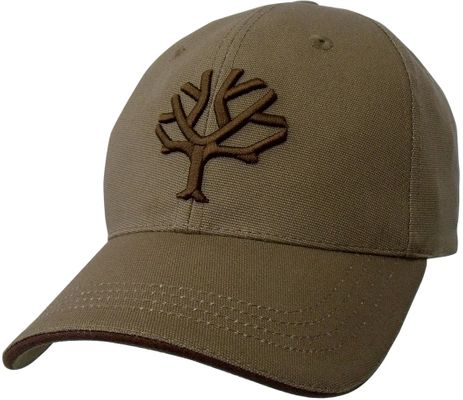
A giant chestnut tree, shading the small Boker tool factory in Remscheid in the 17th century, is the oldest traceable symbol connected with the Boker name. Apparently, Boker tools were very successful, since they were among the leading products in Germany and neighboring countries 100 years later.
Due to the increasing demand in a restless political era, Hermann and Robert Boker decided in 1829 to begin with the production of sabers. As early as September 1830, the accounting records indicate a weekly production of 2,000 items, made by 64 smiths, 47 grinders and a large number of unskilled laborers. In view of the constantly increasing variety of tools and cutting instruments and the good opportunities for worldwide sales, the family realized that the individual steps in the manufacturing process had to be spread out for optimal realization of its interests. As a result, Hermann Boker emigrated and founded H. Boker & Co. in New York. Young Robert developed his enterprise in Canada, founding a branch in Mexico later in 1865. This branch is still a market leader in its country under the name of Casa Boker.
Heinrich crossed the nearby Wupper river and went to Solingen, where the German industry of cutting tools was growing by leaps and bounds at that time. In 1869, he founded Heinr. Boker & Co. with Hermann Heuser, a well-known specialist in the field of cutting tools. The Boeker family in Remscheid and their overseas cousins had a lot of interest in and a great demand for shaving blades, scissors and pocket knives from Heinrich's new enterprise. They had to identify their products for the overseas markets in a simple way, since many customers and consumers had problems with the German name Boeker - not considering the fact that illiteracy was widely spread. In Heinrich's opinion, the chestnut tree near the Remscheid facility represented an ideal, easy-to-remember symbol. This brand symbol was owned by the Remscheid company, together with a second logo, the arrow. One of the few valuable documents that survived the total destruction of WWII is an ad by Boker, Remscheid, from the year 1874, showing both logos.
The relationship between the two Boker companies had always been extremely friendly. Therefore, Heinrich was allowed to take the tree symbol across the river with him - without any big fight or cost. Since then, not a single Boker article has left the Solingen factory without being identified by the tree symbol. After more than 100 years of existence the old chestnut tree was the victim of lightening. In 1925 a talented artist carved a copy of the majestic tree on a piece of the trunk. This original piece of art decorates the boss' office in the Boker plant.
As early as 1900, the majority of articles produced by Boker were distributed in the US market. H. Boker & Co. in New York concentrated primarily on cutting tools from Solingen. Soon pocket knives became more important than scissors, shaving blades and eating utensils. The demand increased even more rapidly than Solingen was able to supply, so that the Americans in New York began their own production of pocket knives. A little later, pliers were included as well. Since the tree symbol had become well known by then and the various branches of the international Boker family enjoyed an excellent relationship among each other, it was not difficult to receive permission from the Solingen relatives to use the tree symbol also for the American products. Since that time, two different lines of Boker knives have been on the American market with the same brand symbol, sometimes even with the same article numbers, but one line was made in the USA and the other in Solingen. Only the declaration of marketability clarified that one line was from Boker USA and the other from H. Boker Improved Cutlery Solingen.
The relationship was interrupted during WWII. The Solingen factory burned down completely. None of the equipment, tools, catalog materials or samples was spared. Those few originals from the past we have today survived the war in private homes and were made available to the company. The firm lost one of its most valuable assets: the registration of the tree symbol for the American market was confiscated pursuant to American law. John Boker Jr. acquired it in New York, in order to secure it for the distribution of the American and German products. Soon after the war, the destroyed factory was rebuilt. Those loyal skilled workers who had survived the war, returned and helped with the reconstruction of the building as well as the production, gradually regaining the previous high standard of quality.
The American cousins renewed their business contact with Solingen and started to place orders. Within a few years Boker, New York, had again become the principal customer. Models like the 7588 and 7474 and the most expensive item, the sports knife Flagship Model 182 could not cross the ocean fast enough to reach Boker friends all over the country.
In the early 60s, Boker USA was sold and eventually acquired by the well-known scissors manufacturer Wiss & Sons. Wiss retained the manufacture of Boker knives and sold them together with Solingen products. Of course, this meant that the Boker scissors ceased to be competitors of the Wiss line in the American market. In the early 70s, Wiss sold to Cooper Industries, a multinational company. This new change in America proved to be advantageous for Boker.
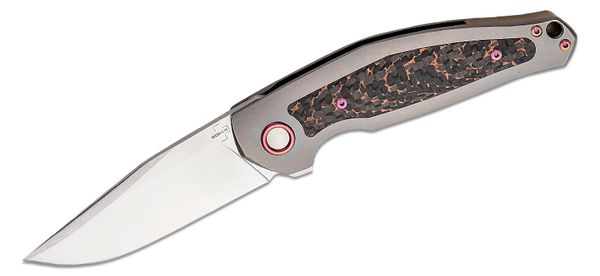
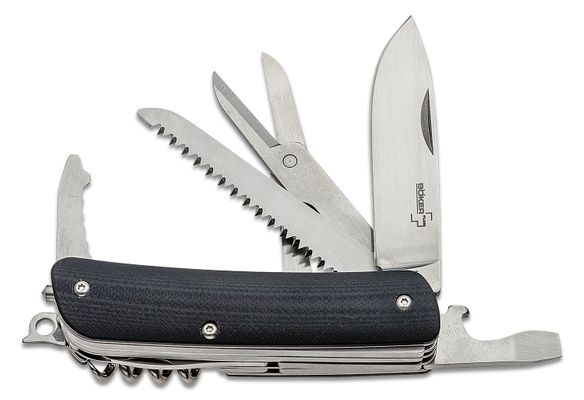
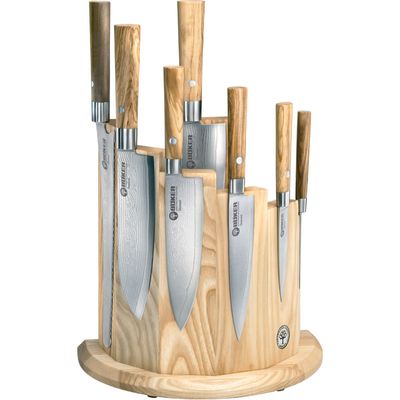
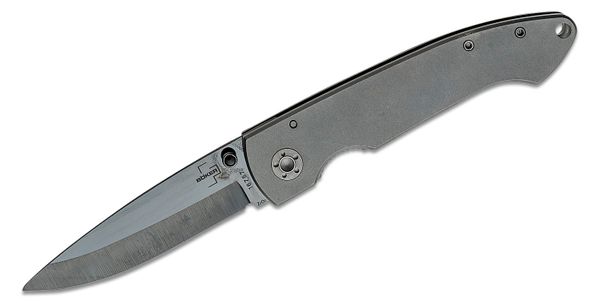
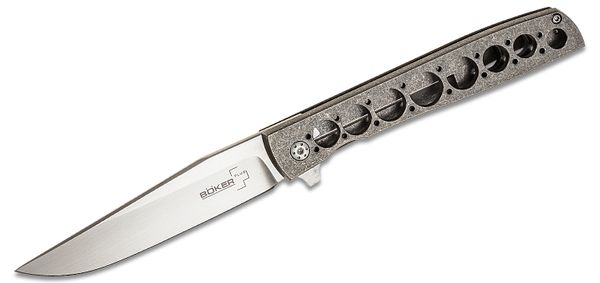
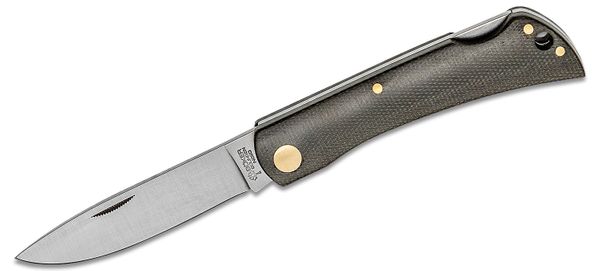
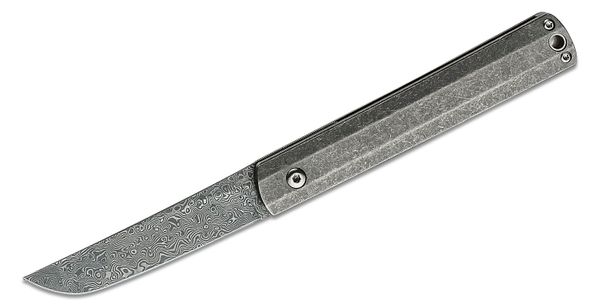
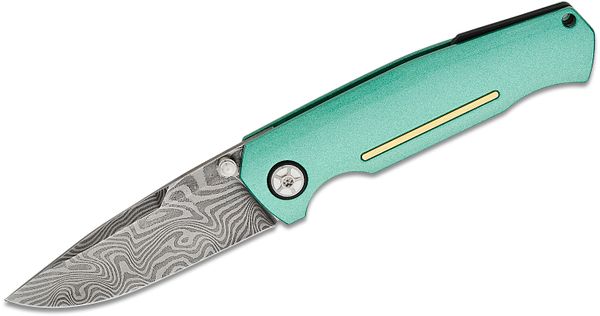
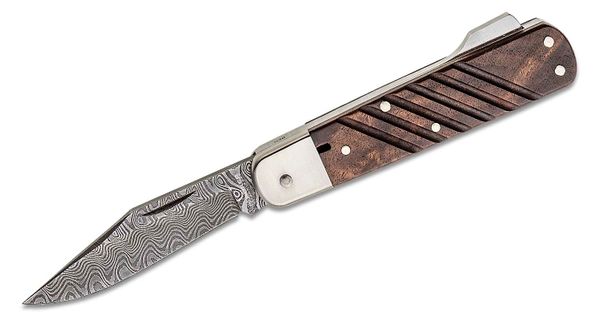
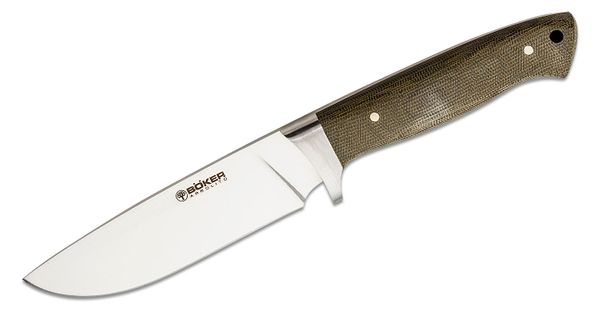
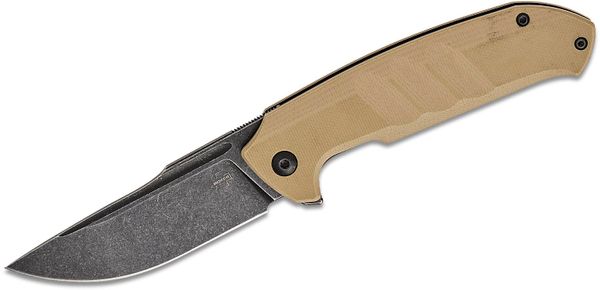
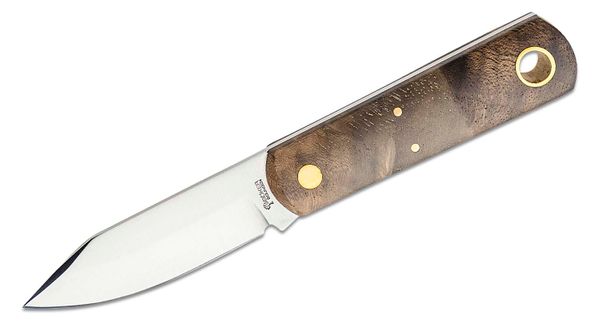
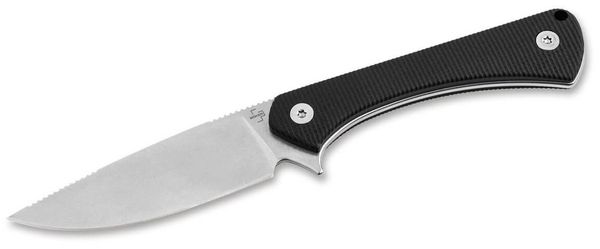
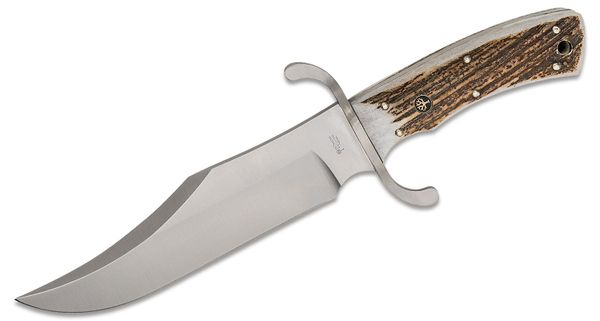
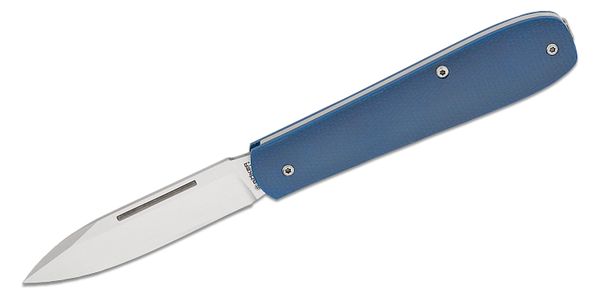
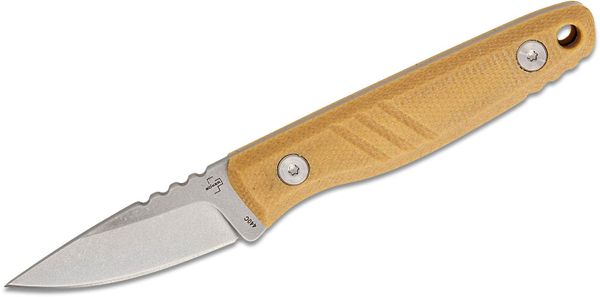
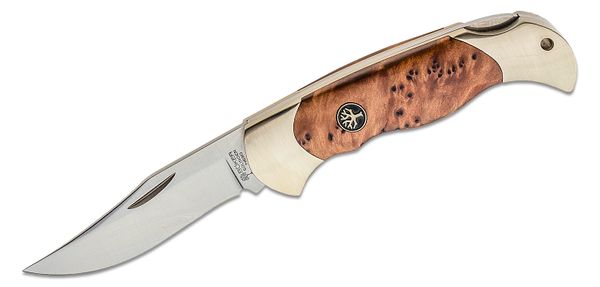
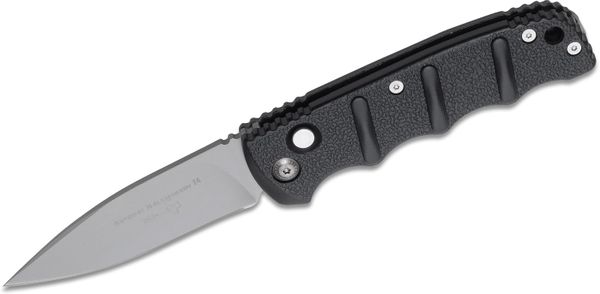
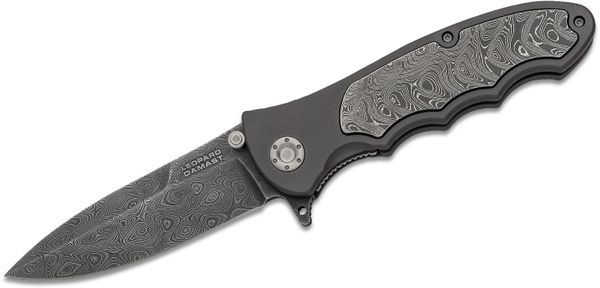
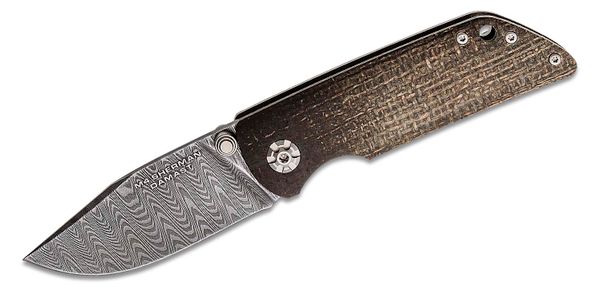
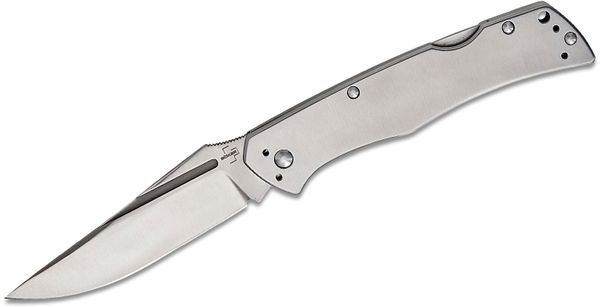
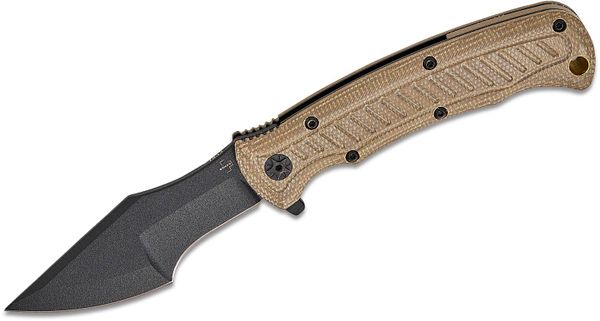
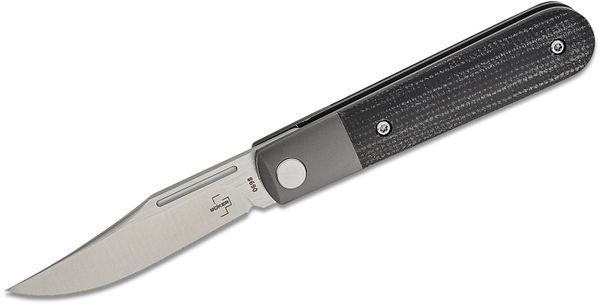
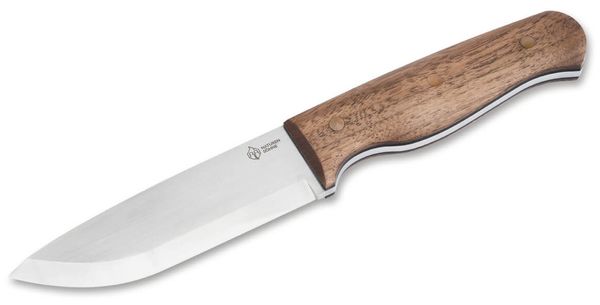
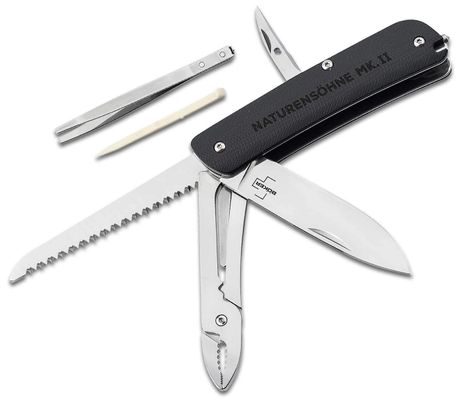
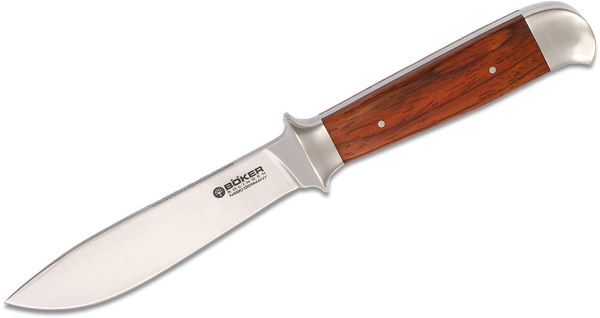
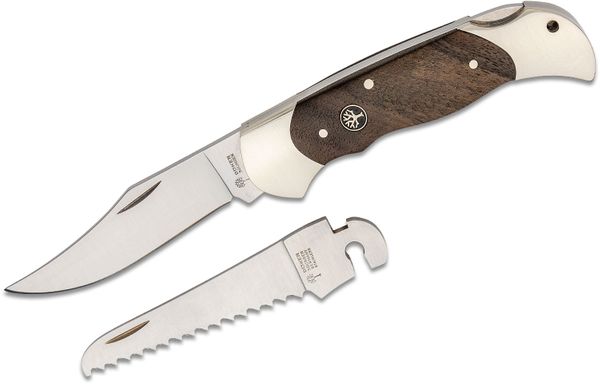
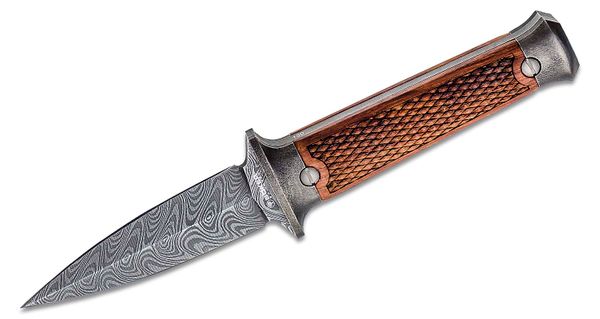
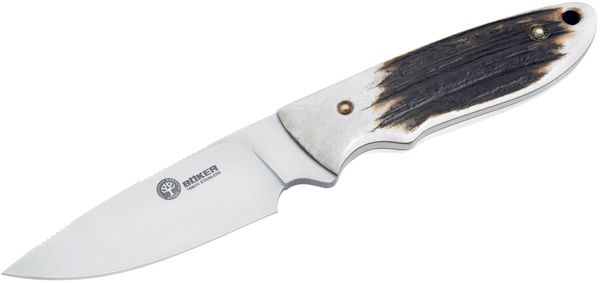
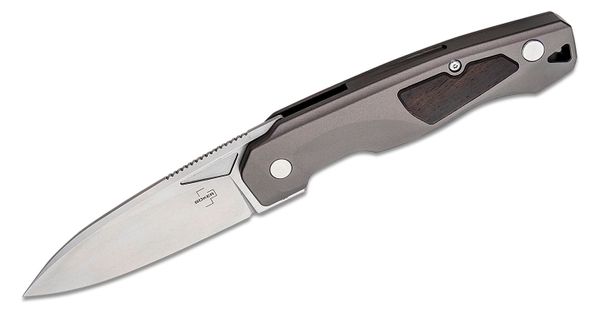
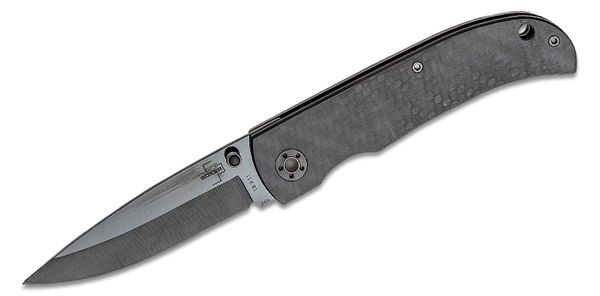
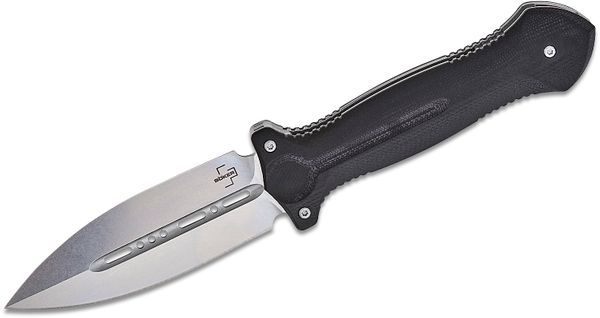
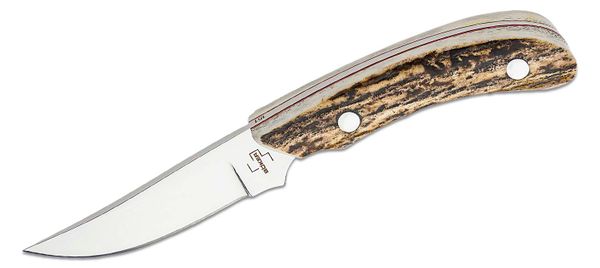
A very close business, as well as personal relationship developed with this industrial giant. Due to its strength on the market, Cooper was able to restore the original magnitude of the Boker name. Thanks to the very lively business activities with Cooper for eight years, the Solingen facility could streamline its production and develop new, modern products. Without exaggeration, Boker manufactures the largest assortment of high-quality knives for sportsmen and collectors with an unsurpassed variety of materials for blades and handles. Today, Boker knives range from 320-layer Damascus steel to very modern ceramics, with handles ranging from high-quality mother-of-pearl to Thuya root wood and state-of-the-art synthetics.
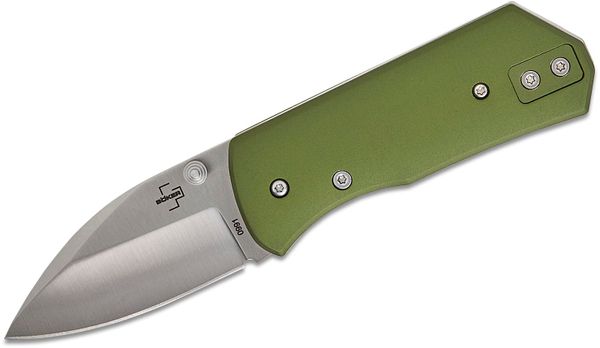
In 1983 Cooper discontinued its own knife production. As a result of friendly negotiations, Cooper restored the American trademark rights three years later, providing Solingen with the opportunity to become self-reliant in the huge American market. Thus, in 1986, Boker USA, Inc. was created in Lakewood, Colorado. Models still in demand are being manufactured in Solingen today, and Boker USA has helped to expand the worldwide offerings of a vast assortment of product under the Boker, Boker Arbolito, Boker Plus, and Boker Magnum names bringing us the assortment we enjoy today.
The great importance of Boker in the South American markets (Argentina and Chile) and in Mexico is due to the efficient men of the Boker family, who were active for us in these countries in the 19th and 20th centuries. Today's trademark includes the terms Tree Brand and Arbolito. Since the Argentinian market in particular is subject to extreme economic and political fluctuations, the good name Arbolito was in danger of being forgotten. In 1983, Boker Arbolito S. A. was founded jointly with the Salzmann family primarily to manufacture household and work knives in Argentina. Thanks to the constant modernization and expansion of product lines the company in Buenos Aires is able to compete worldwide with selected products today.
Contact
Boker USA, Inc.
1550 Balsam Street
Lakewood, CO 80214-5917
USA
Toll-Free: 1.800.835.6433
Tel: 303.462.0662
Fax: 1.303.462.0668