Pros: Weight, Handle Material, Blade Material, Overall Quality, Blade Sharpness
Cons: None
It’s special
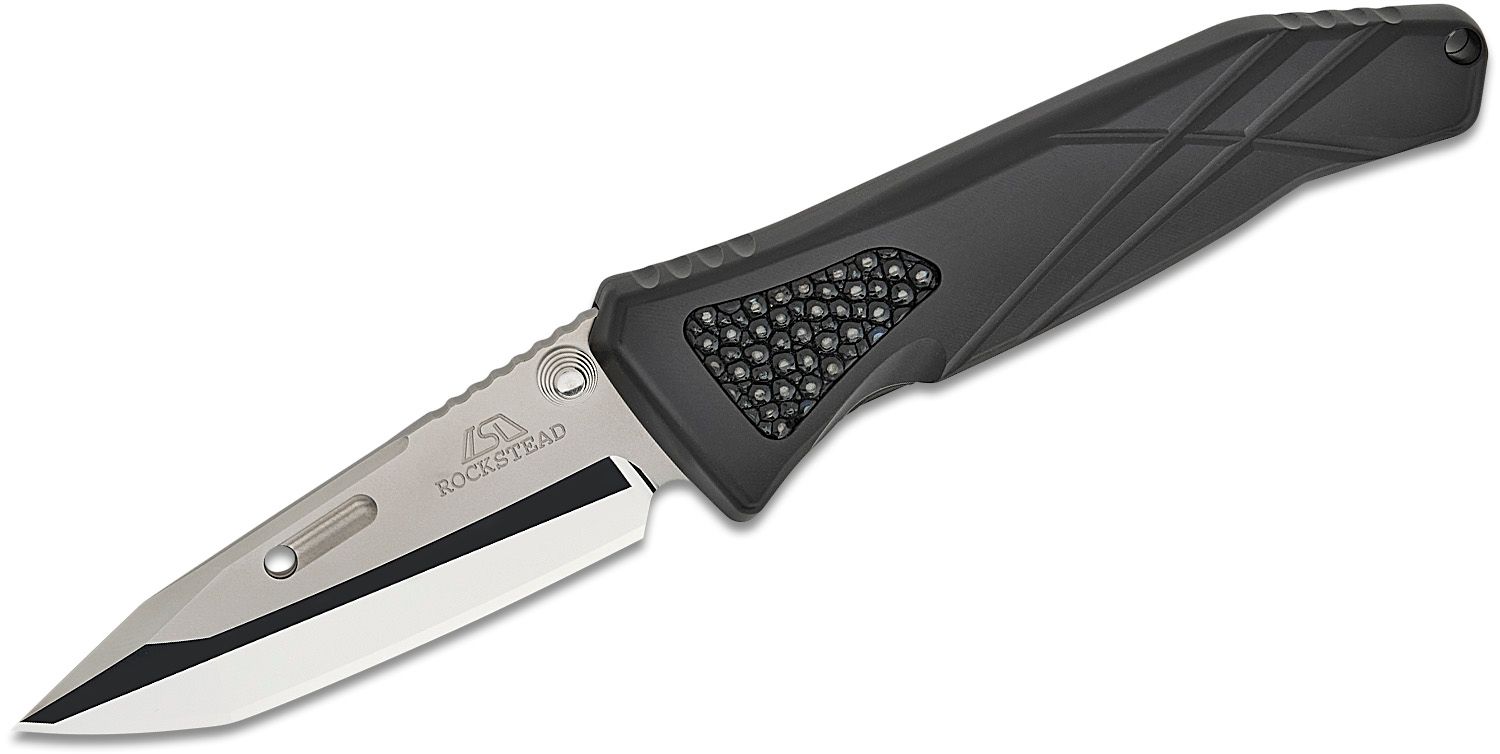
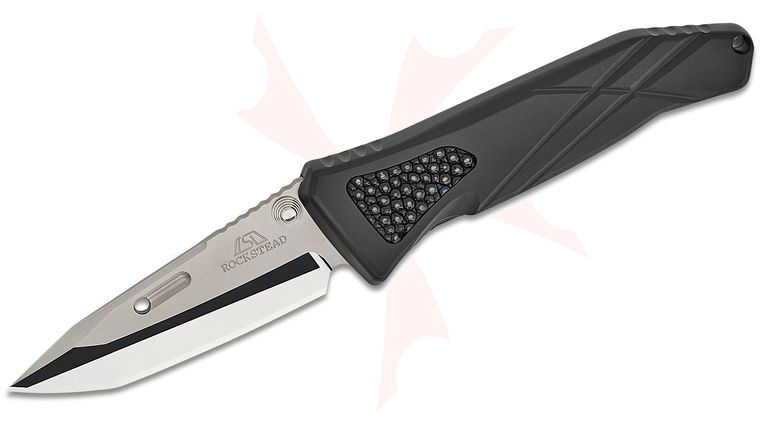
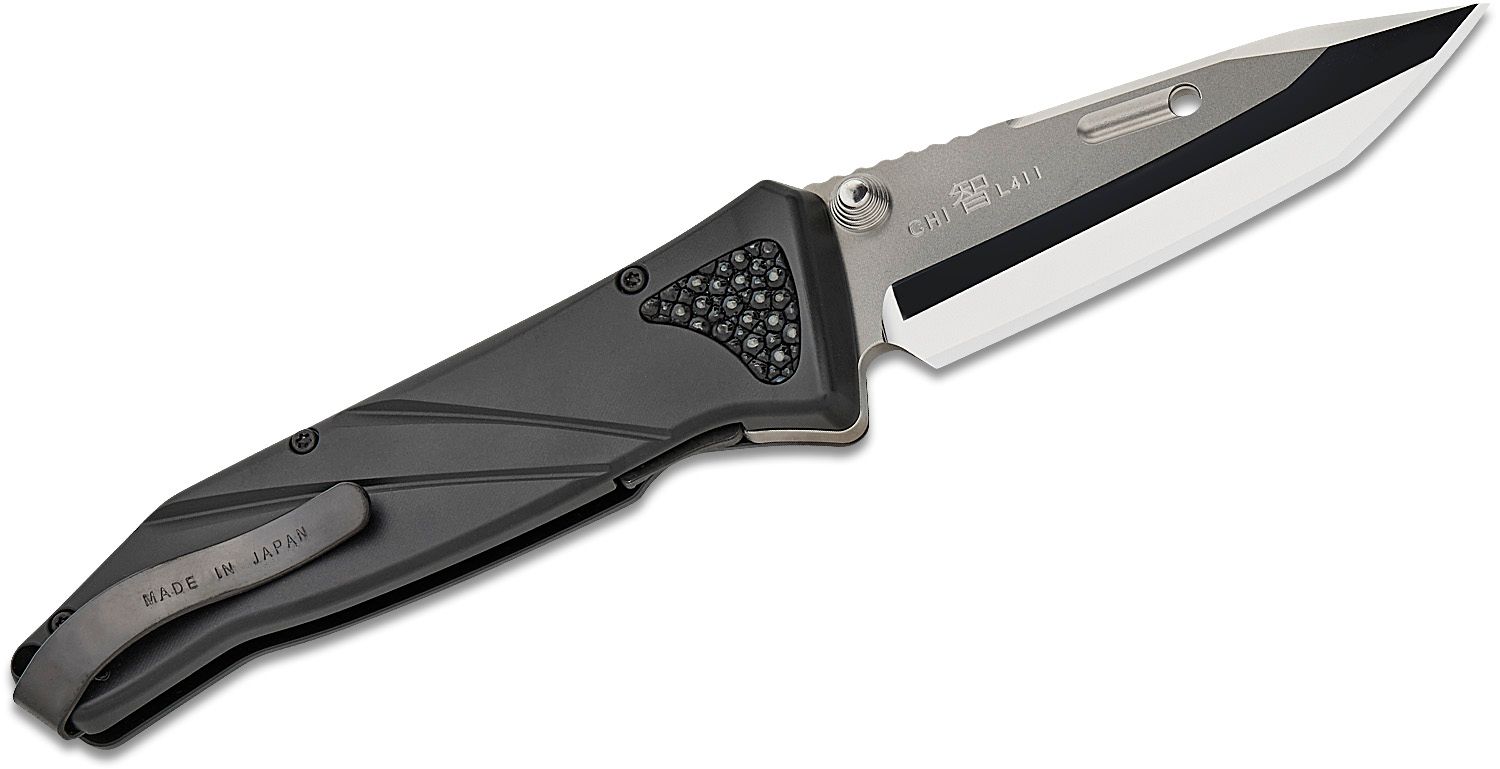
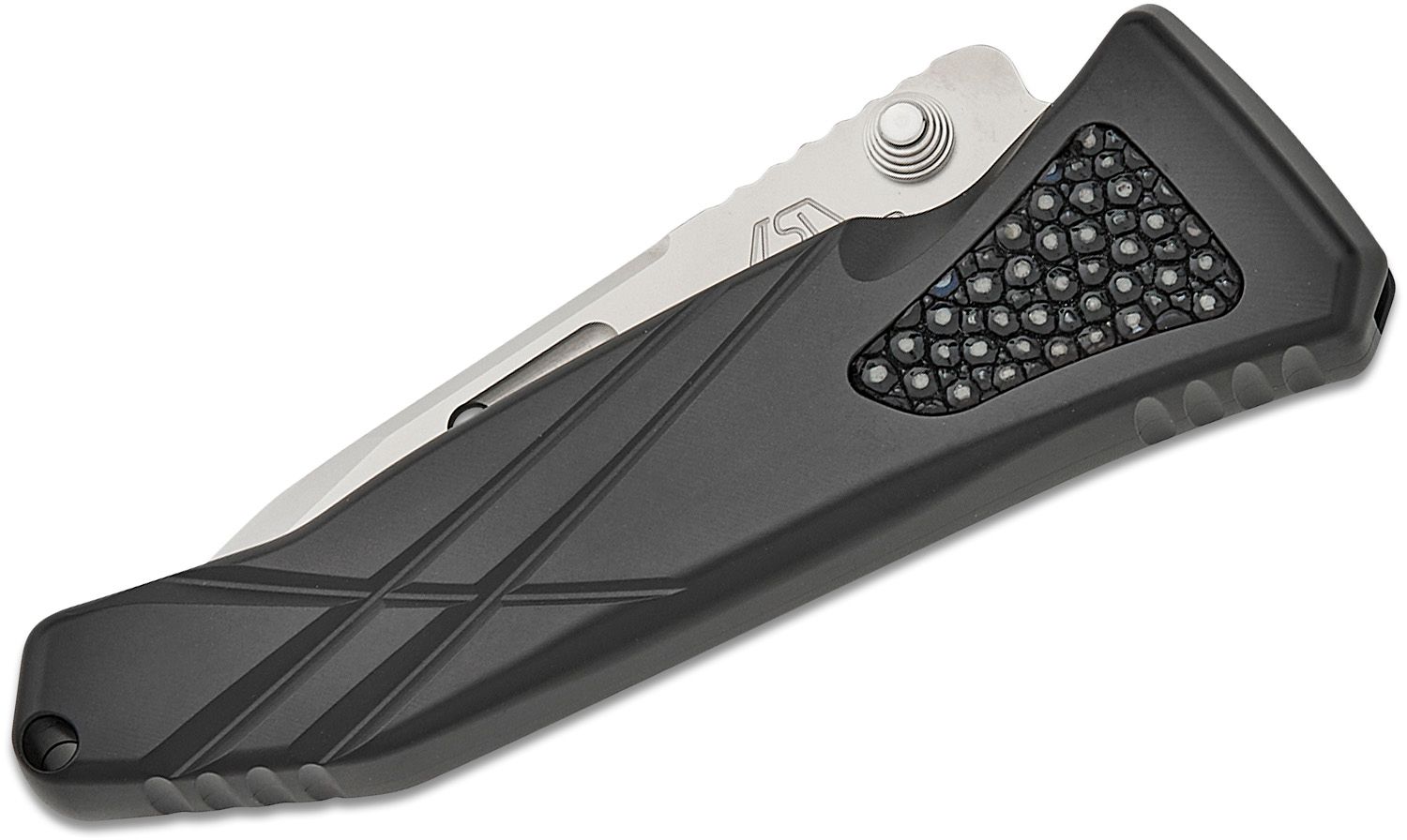
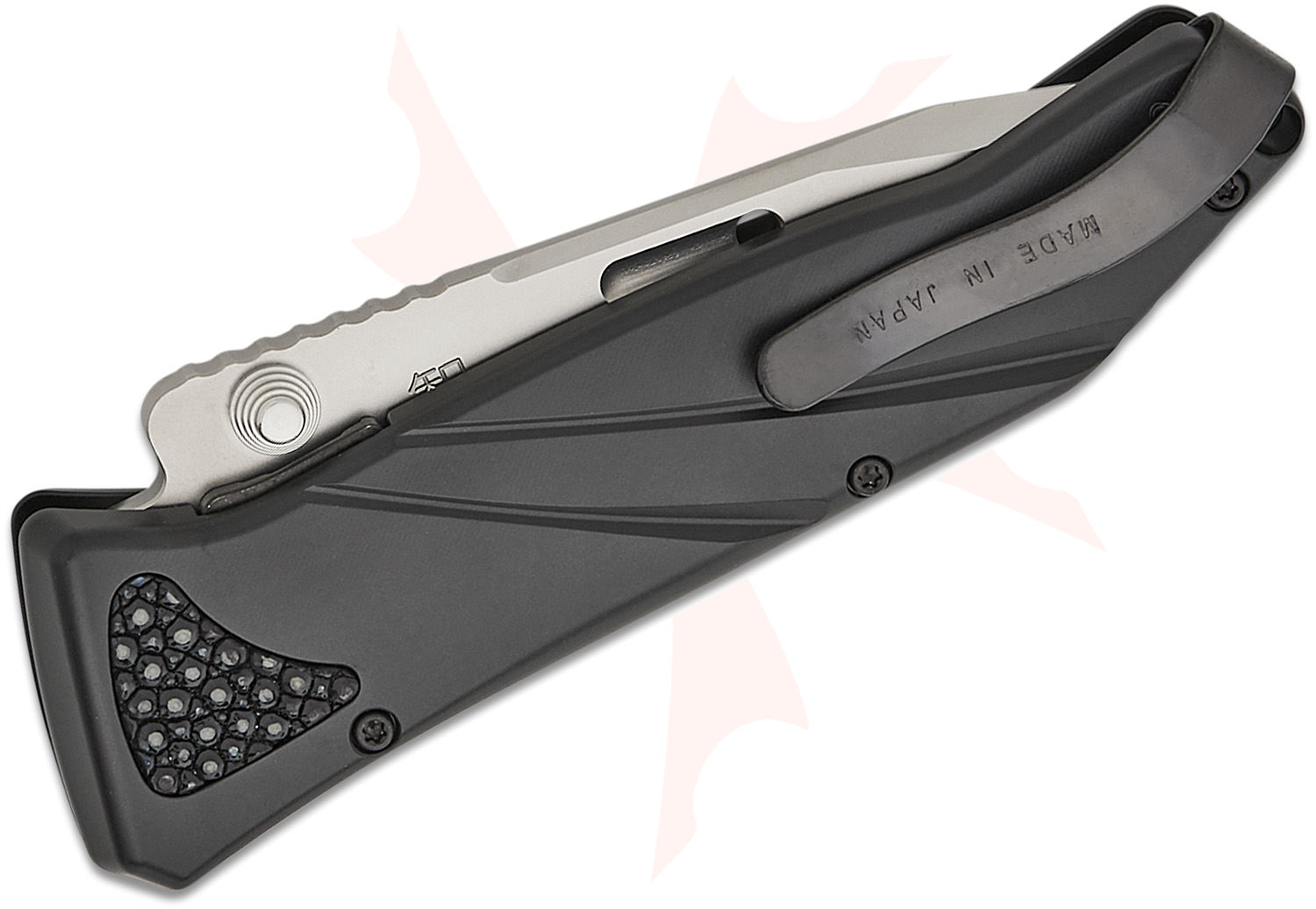
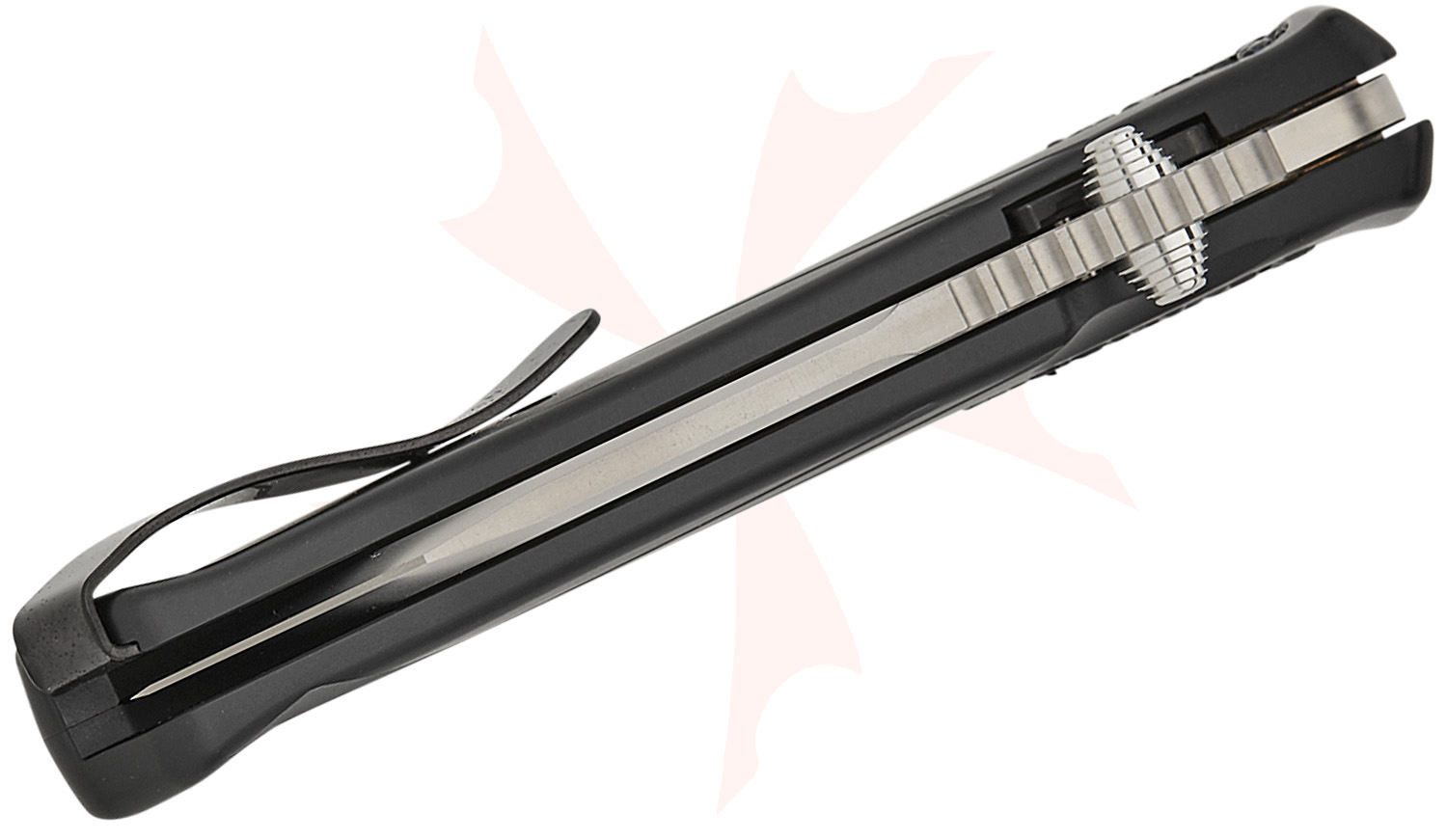
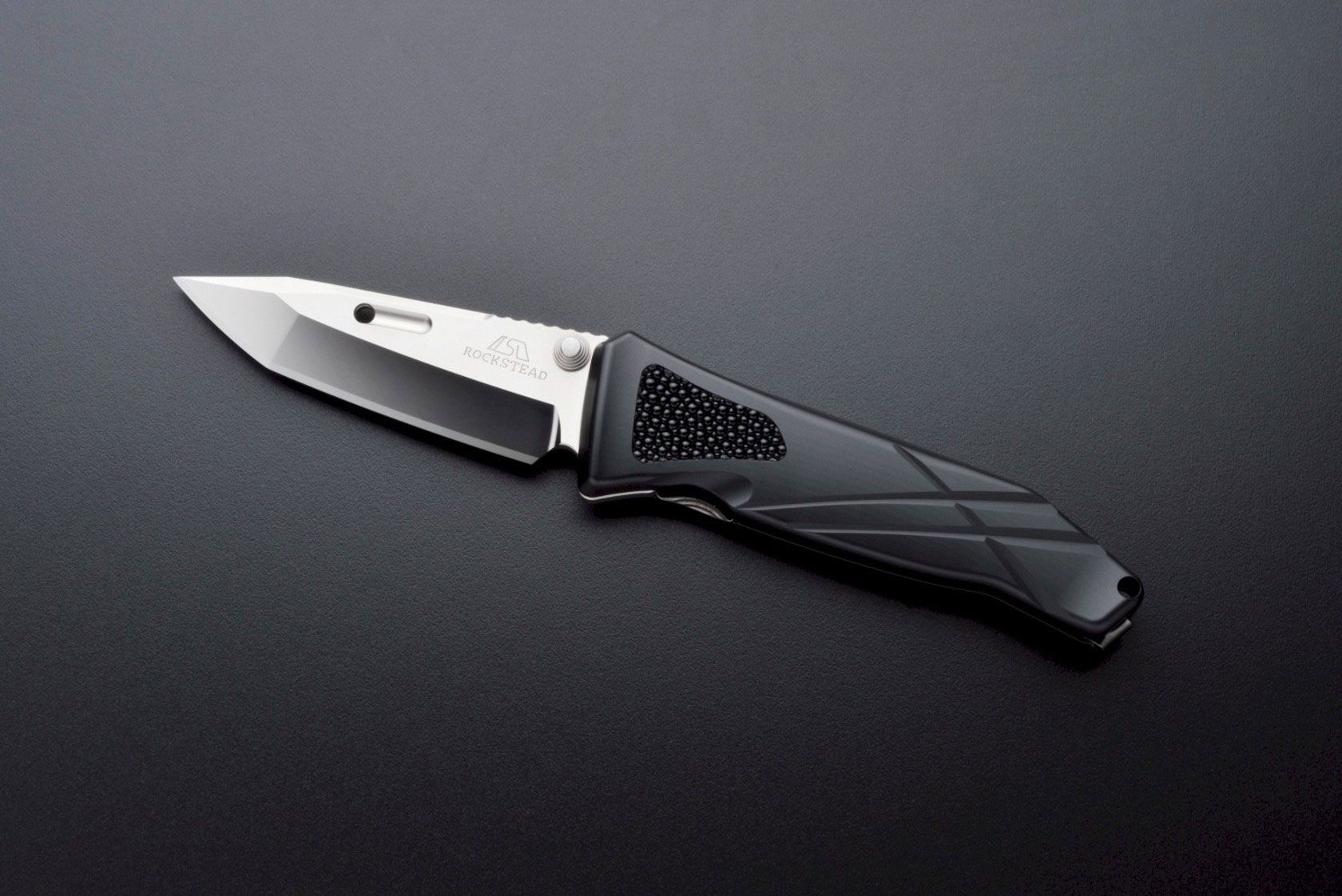
This knife will be completely different from anything you own, this is not a show off knife and this is not a knife you can appreciate by just looking at. This knife was made in a specific way that is completely unique to the Rockstead company. The handle is duralumin (which is a mix of aluminum and copper) a material that used to be used in planes since it is strong and light. It has a clamshell design which has the same effect as an integral but is connected together with three small screws (you would never notice it wasn’t an integral if not for the screws). The pivot and stop pin are of an interior design so the handles are sculpted around them and you cannot see them. They are very slick handles and confortable but still might slip in some conditions. The lock up is 50% and one very well thought detail that I have noticed is the fact that it locks up and fills the withe of the first vg10 layer and does not touch the zdp 189 (the zdp is much harder so the frame lock would wear faster but since it only touches the vg10 it will last longer). the action is very smooth, it is a different kind of smoothness than drop shut action (it has a hydraulic smoothness like a sebenza but much more consistent and glassy). the blade features a PERFECT mirror polish. The knife is extremely sharp, this is because they have a machine that will give the knife a mirror polished bevel (if you look at any knife under a microscope you’ll notice some small grind lines like a saw, these are completely eliminated by the machine witch makes it glide through material like nothing else.) Not only is it sharp but it retains the edge for years (literally between two and three years) the blade is made from 67 hrc zdp 189, that hardness is insane and combined with the sharpness can cut through 5cm rope 1000 times and still glide through paper. But w’ont it chip? was my first concern, there are several ways Rockstead has tried to overcome the chipping problem that usually occurs with high hardness steel, the first is the mirror edge (from earlier), the lack of those grind line makes it harder to chip since chips are usually caused from small weak areas in the blade, since they’re are no inconsistencies in a Rockstead blade they’re is no area of weakness for it to easily chip. The second is the relatively thick secondary bevel, the knife is thick behind the edge so the chances of chipping go way lower by that simple step. The third is the heat treatment, these blades a cryogenically heat treated which means after heat treatment to cool them down they are put in liquid nitrogen for a long period of time (it is way more complicated than that but im making it sound simple), this makes the bond between the molecules stronger and again less likely to chip and although the test was on the lower Rockwell Yxr7 steel that is also offered by the company (which is still a high 65) the same techniques are applied and the blades can cut through dried bamboo with no chips). The blade is also laminated (San mai) with vg10, this protects the more carbon content zdp from rust and if the knife is put pressure on it is majorly less likely to break. The knife also has a type of coating on the blade which I cannot remember. The process for the handle is made by precision machine and the mirror micro edge by machine as well but the fitting of pieces, normal mirror finish, heat treatment...is all made by hand, they also HRC test every knife.The tolerances are perfect, everything is clean cut and the action is really difficult to describe. Thanks for reading and sorry for any mistakes or repetitions (im writing this at 3 in the morning).


 (
(