The Best Pocket Fixed Blades for Self-Defense

Most folks who carry a pocket knife, carry one that folds, but a good pocket fixed blade solves problems that even the best folders can never fully overcome. It removes the lock that could fail, moving parts that can wear out, and the extra step between reaching for the knife and having your blade ready.
Why pocket fixed blades keep gaining ground
Folders still dominate the tactical category, but much of that conversation revolves around lock strength and deployment speed. A small fixed blade makes a simple promise: no pivot, no lock, no moving parts between your hand and the blade. That matters in reliability and dependability, which matters even more when the knife is chosen with defensive use in mind.
The ability of being able to carry the fixed blade in your pocket has been a game changer. Many people don’t want a highly visible sheath strapped to their belt or the bulk of carrying inside the waistband. Pocket carry is, for lack of a better term, more normal and practical for most folks.
A tactical pocket sheath setup absolutely needs the following:
- Solid retention of the blade so it doesn’t fall out
- Enough handle sticking out so you can easily and quickly deploy the knife
- A sturdy clip or method of attachment so the sheath stays put when you draw the knife
Classic pocket fixed blades that still hold up
Some of the earliest pocket-worthy tactical fixed blades were never marketed around the current pocket fixed blade trend. They simply had sheath hardware that happened to work well in a pocket. These four still show why that formula caught on.
Benchmade SOCP Dagger
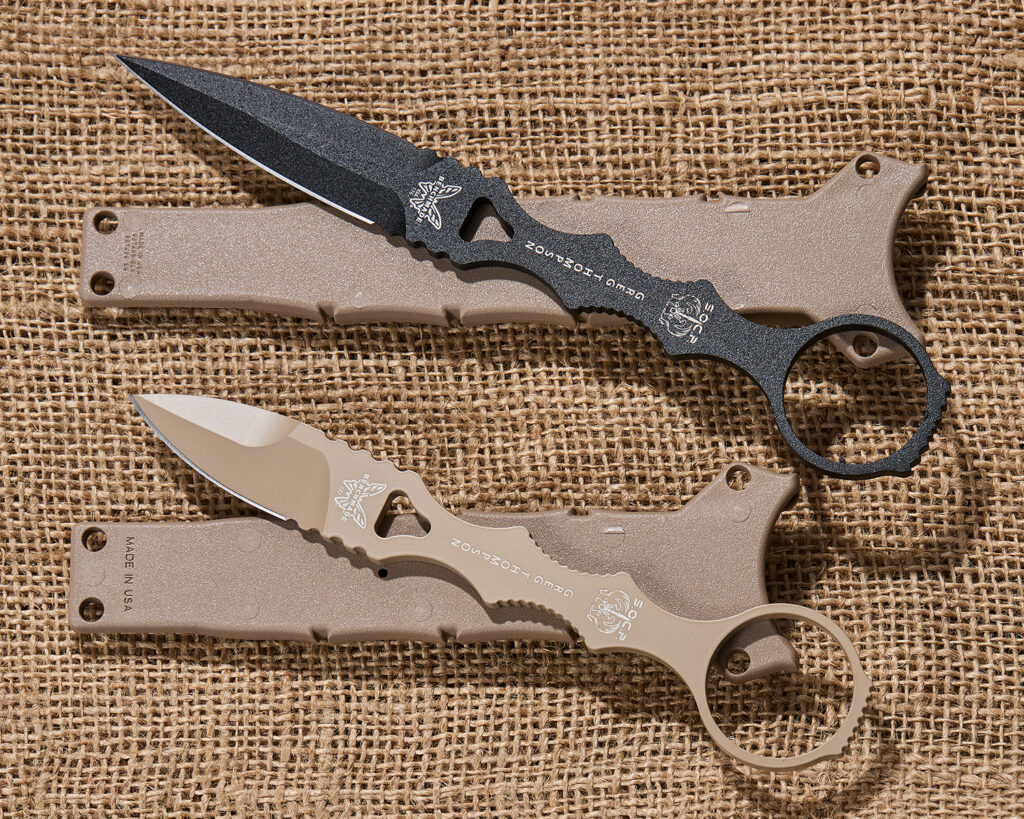
The Benchmade SOCP Dagger is one of the original pocketable defensive fixed blades. Its 3.22-inch blade, narrow sheath, and clip with a retention hook keep the whole package trim, while the ring at the rear helps lock the hand in place. Benchmade also offers a smaller version, and there is a trainer available as well, which fits the purpose-built nature of the design.
- 3.22-inch double-edged blade
- 440C steel, single-piece construction
- Made in the USA
- Narrow sheath with a clip and retention hook
- Smaller version and trainer are available
KA-BAR TDI Law Enforcement
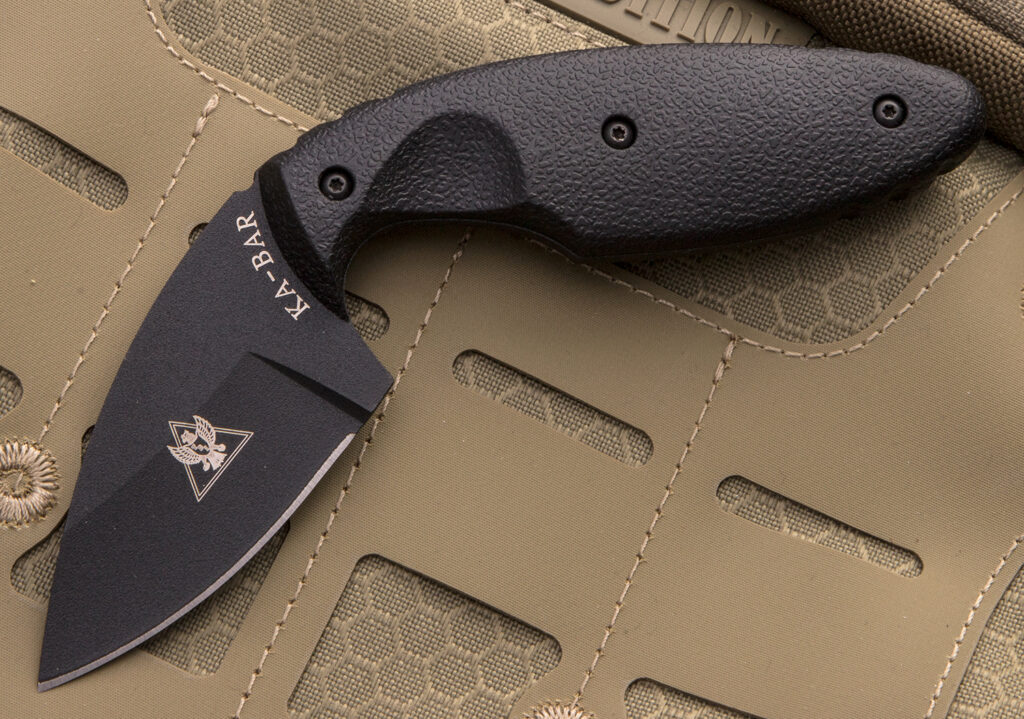
The KA-BAR TDI series has been around long enough to count as a modern classic. Designed by the late John Benner of the Tactical Defense Institute, it uses an extreme blade angle that naturally points forward when you extend your arm. The broad TDI clip is more obvious on the outside of the pocket than some newer designs, yet the knife is comfortable to carry and easy to access because so much of the handle stays above the pocket line.
- Angled blade profile that favors a natural point
- AUS-8 steel
- Broad ambidextrous TDI clip with retention hook
- Comfortable pocket carry because the handle stays exposed
- Drop Point shape makes it useful for utility tasks, not just tactical use.
Cold Steel Safe Maker I & II
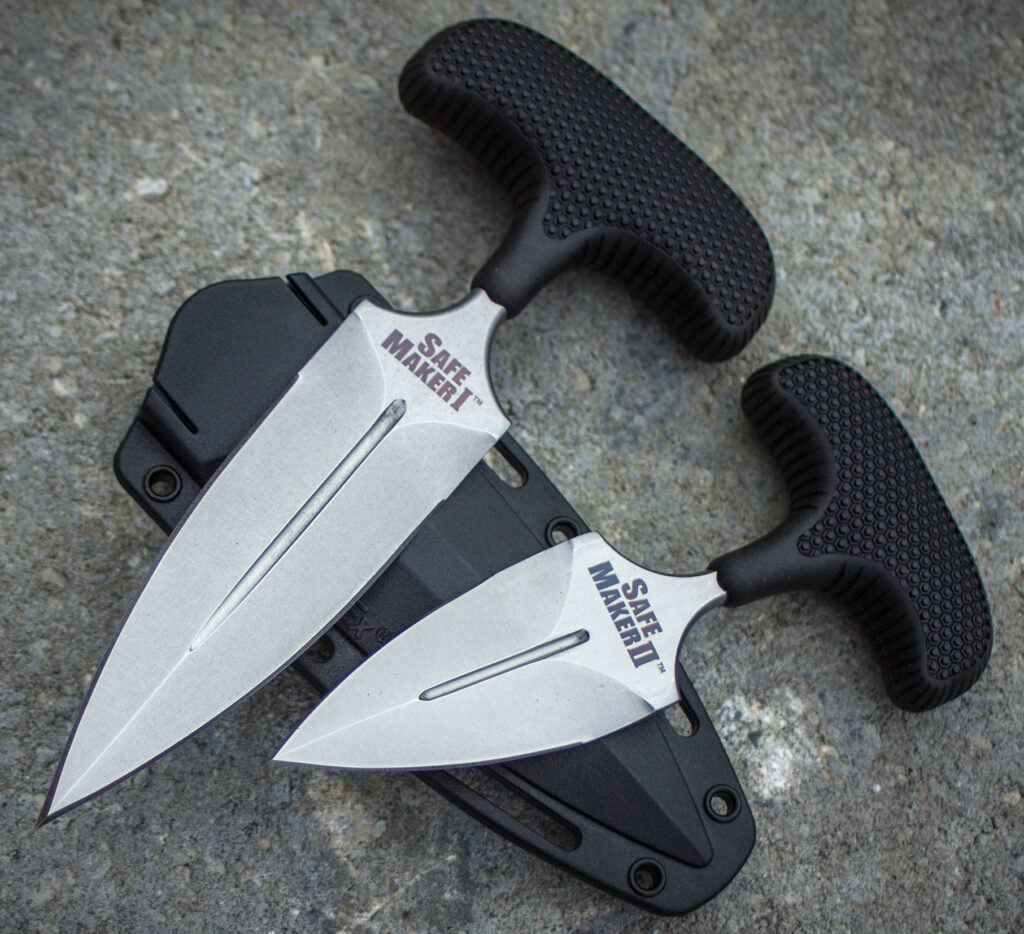
The Cold Steel Safe Maker push-daggers are surprisingly easy to carry in a pocket. The injection-molded clip includes a retention hook, so the sheath stays behind during the draw, and the T-handle gives the knife a very direct, purpose-driven shape.
- Push-dagger pattern with a T-handle
- Double-edged AUS-8 blade
- Chisel-ground edge with a concave back
- Injection-molded clip with retention hook
- Strong emphasis on point-forward defensive geometry
Modern tactical pocket fixed blades get slimmer and smarter
Newer designs feel more intentional about pocket carry. Sheaths are often narrower, clips sit flatter, and taco-style Kydex layouts save width because the rivets run down one side instead of spreading across both sides like a pancake-style sheath.
This is also where hardware starts to matter more. Discreet Carry Concepts clips and Apex ARC-style clips are both built to grab fabric far more firmly than a basic spring clip and can even double as belt clips if you decide to move things out of your pocket and onto your waist.
Stroup Knives MK2 Combat
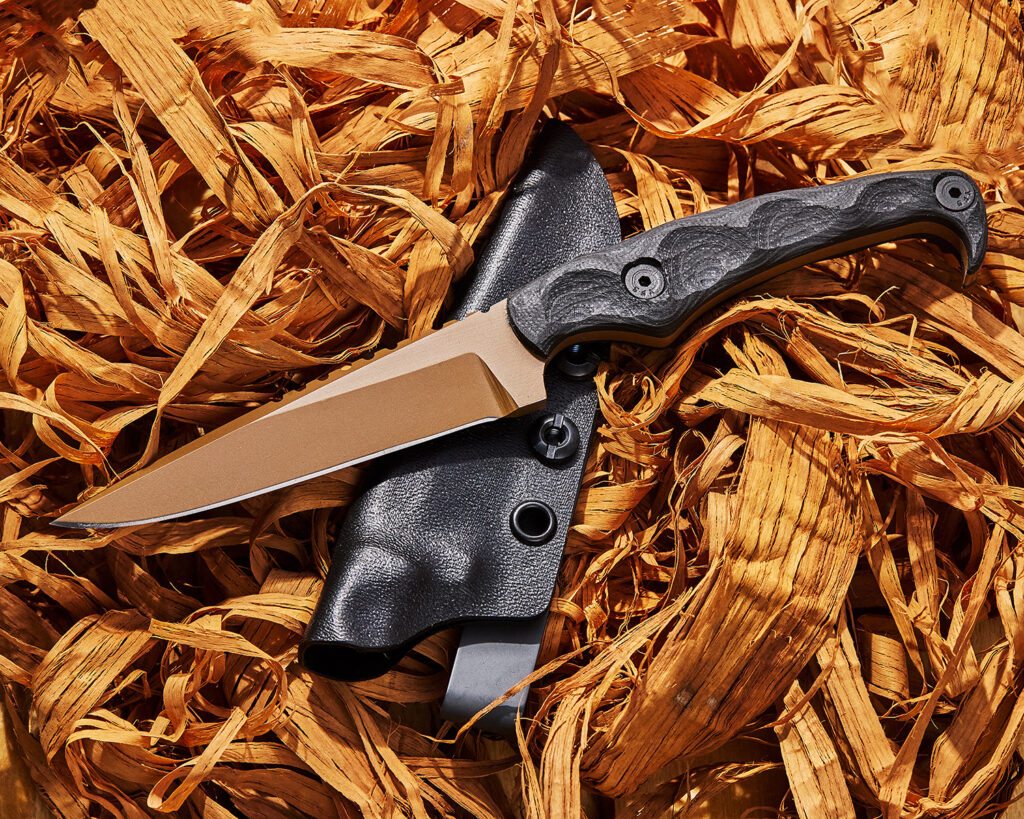
The Stroup Knives MK2 Combat is a small-batch piece with a price that reflects that. Its 4-inch 1095 blade is thick, aggressive, and narrow enough to ride well in a taco-style sheath with a Discreet Carry Concepts clip. The back edge looks sharpened, but it ships as an unsharpened false edge that helps with penetration
- Slim taco-style sheath
- Discreet Carry Concepts clip
- False edge is not sharpened from the factory
- Handle shape may feel tight for larger hands
TOPS El Pionero
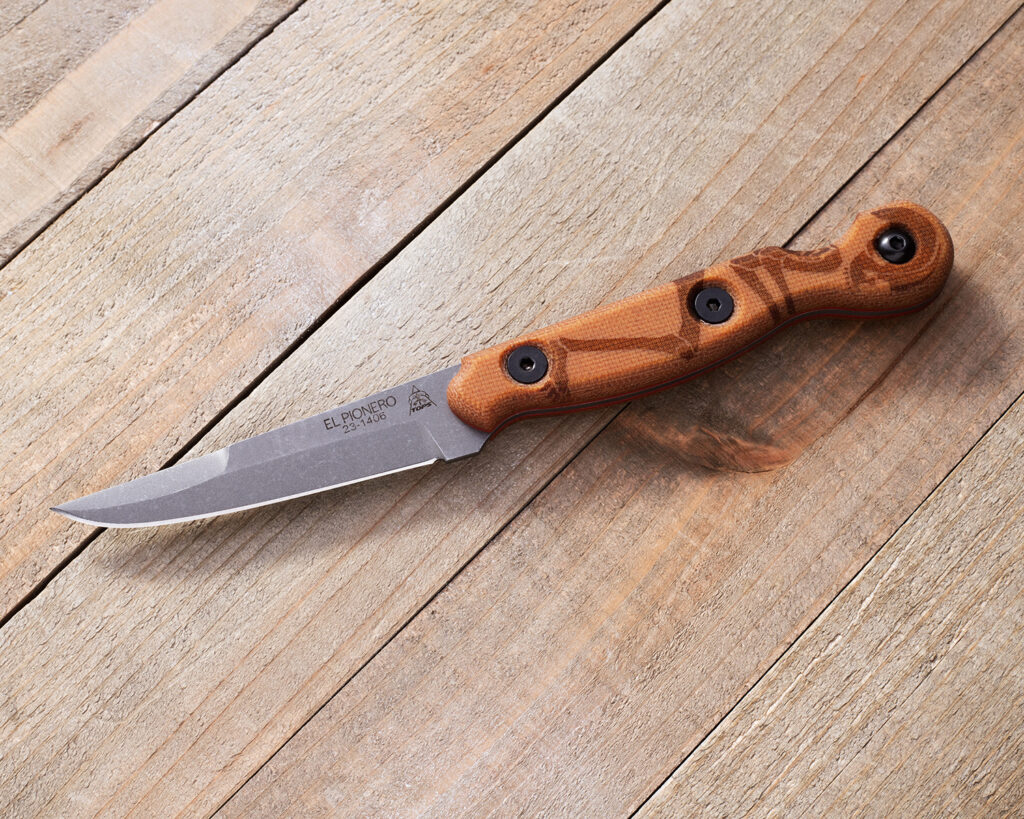
TOPS’ El Pionero, designed by Ed Calderon, is based on a modified paring knife pattern tied to his law enforcement work against Mexican cartels. That background shows in the blade shape. The tip is acute, the profile is slim, and the handle has a relief cut on the back that gives the thumb a natural place to rest. TOPS uses its proprietary long clip here, which works in the pocket and leaves room for a wider belt if someone wants belt carry instead.
- 3.4-inch blade
- 1095 carbon steel
- Designed by Ed Calderon
- Very acute tip with a slim, agile profile
- Long TOPS clip works for pocket or wider-belt carry
- Handle has a rear thumb relief cut
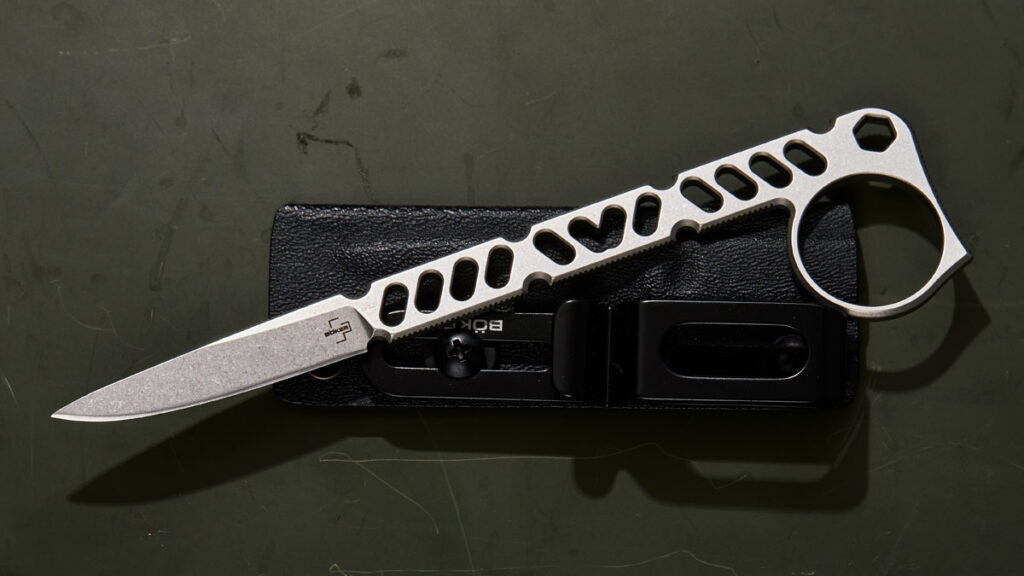
Boker Sigurd Tactical
The Boker Sigurd Tactical mixes a karambit-style rear finger hole with a narrow, almost pencil-like blade profile. Designed by Dirk Hofmeister, it looks more compact and utility-friendly than many knives in this category, even though the thick D2 blade stock keeps it from being a true scalpel. The clip follows the same general idea as the other modern pocket clips here, but the space inside it is fairly tight, so it is too narrow for most belts. Works like a charm in the pocket though!
- D2 steel
- Karambit-style rear hook for retention
- 1/4-inch hex driver built into the back
- Narrow clip height favors pocket or IWB carry
New carry ideas change how these knives draw from the pocket
Some makers changed more than the clip. A few of the most interesting knives here rethink where the clip sits or how the sheath uses the pocket edge during the draw. That makes them feel different from the more traditional clip-and-sheath designs above.
CIVIVI SOKN
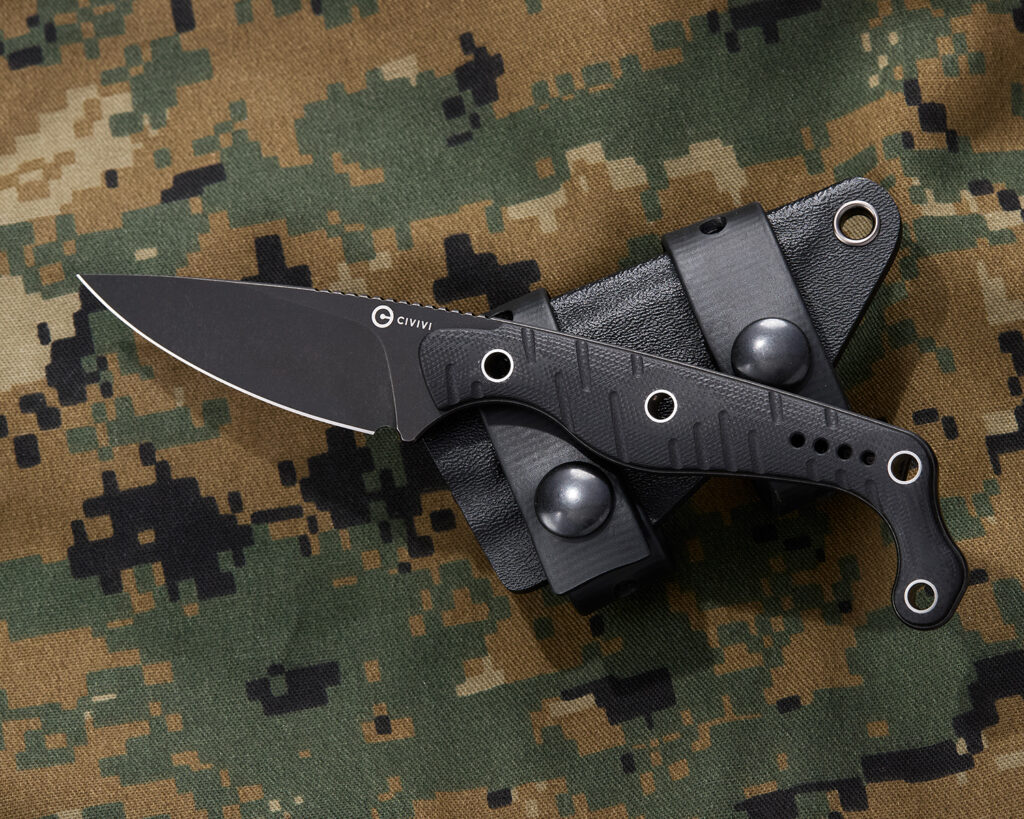
The CIVIVI SOKN, designed by Kyle Lamb, puts the pocket clip on the knife handle itself and uses a hook molded into the sheath. As you grab the handle to draw the knife, you can angle the sheath so the hook catches on the hem of your pocket, allowing it to stay behind while the knife pops free.
- 2.8-inch Nitro-V blade
- Versatile Drop Point shape
- Pocket clip mounted on the knife, not the sheath
- Sheath hook allows fast draw from the pocket
- Also includes hardware for horizontal belt carry
Skallywag Tactical MDV Plus One
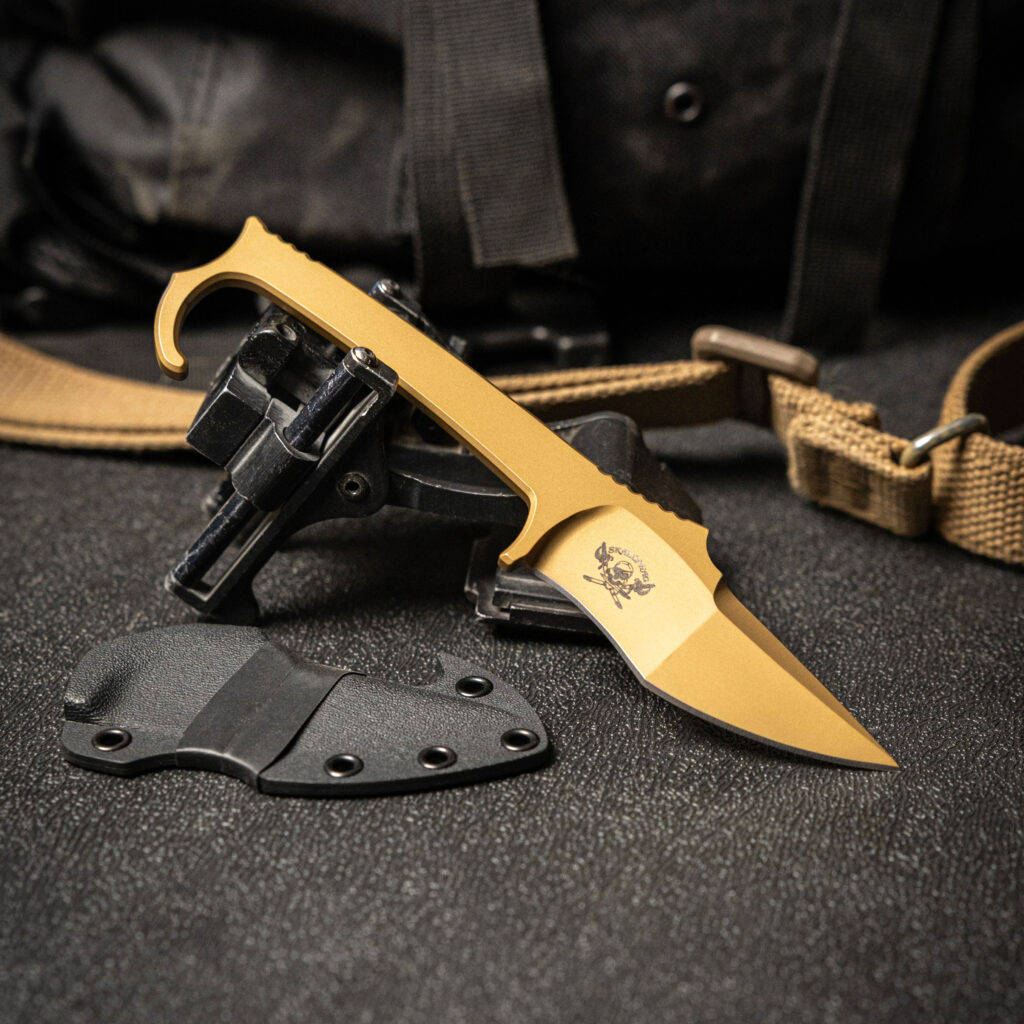
The Skallywag Tactical MDV Plus One follows a similar pocket hook concept, but it skips a clip on the knife. Instead, the sheath rides loose in the pocket, and a pair of rubber bands helps keep it from sliding around too much. The blade is a 3.25-inch D2 chisel grind with a compound recurve, which gives it an aggressive look without making it useless for ordinary daily cutting.
- 3.25-inch D2 blade
- Chisel-ground compound recurve
- Sheath hook supports a pocket draw
- Rubber bands on the sheath add friction in the pocket
- Available in several color options
A few strong options need your own pocket clip solution
Not every good candidate ships as a pocket-first setup, but with the addition of the right accessory, these options are serious contenders. We like to recommend the clamp-style Ulticlip because they can adapt to nearly any sheath system, and it locks in place on your pocket hem for ultimate stability.
Kizer Hidden Agenda
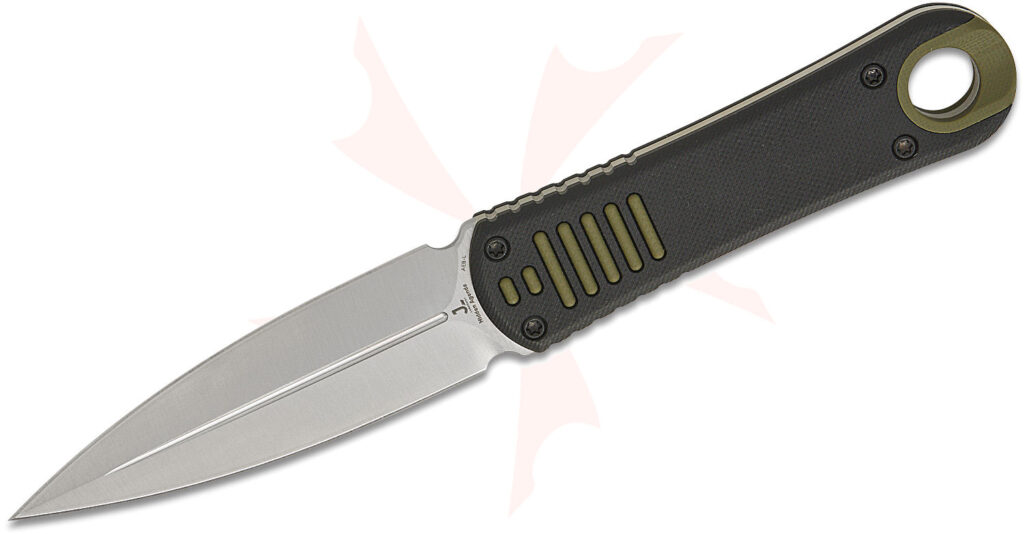
The Kizer Hidden Agenda is a Justin Lundquist design that looks like a boot knife shrunk down to modern EDC proportions. It ships with a slim Dots-style attachment, yet the slots and rivets on the sheath make it easy to convert to an Ulticlip. The blade is double-edged with an acute tip, and the use of AEB-L stainless steel is a smart match because it has the toughness to support such a thin, pointy geometry.
- 3.5-inch dagger-style blade
- AEB-L steel
- Layered G10 scales create thumb pads for extra traction
- Easy sheath conversion to an Ulticlip-style clamp
Toor Knives Jank Shank
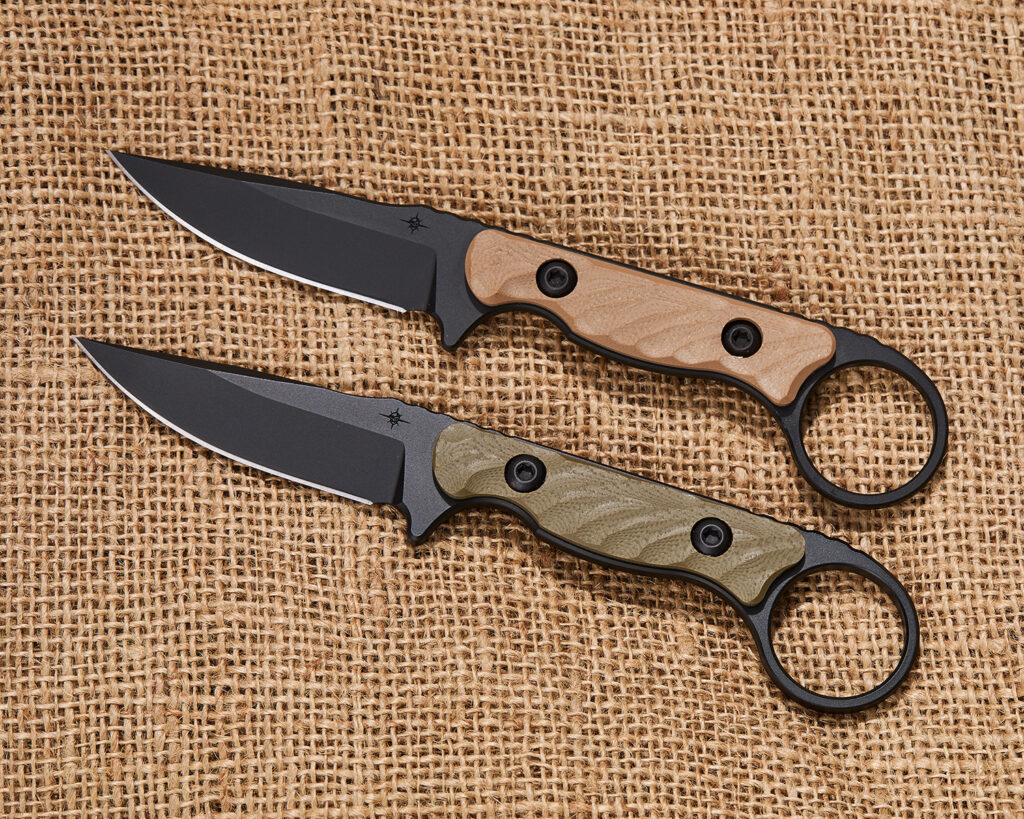
The Toor Knives Jank Shank is another model that needs an added clip for dedicated pocket carry, but the knife itself is hard to ignore. Toor lines the Kydex sheath to prevent scratches and reduce rattle, which is a nice touch on a premium compact fixed blade. The blades are thick and steels with high toughness are chosen to make the platform highly durable. Multiple blade shapes are offered from specialized CQC designs to more versatile everyday options.
- Clip Point, Wharncliffe, Pikal-style blade shapes
- Made in the USA
- Lined Kydex sheath reduces scratching and rattle
- Offered in several finishes and handle variants
The sheath decides whether this category works
Pocket fixed blades keep gaining ground for one reason above all else: they remove the mechanical weak point of a folder without forcing full-size belt carry. Across all of these models, the same pattern keeps showing up, slim sheaths, secure clips, and enough handle left exposed to grab cleanly.
Most of the field sits between about $60 and $185, which leaves room for both budget-minded picks and premium buyers. The Safe Maker II and Hidden Agenda land on the more accessible side, while Stroup and Toor occupy the higher-end end of the range. For a broader look at lower-cost options, KnifeCenter’s roundup of affordable starter fixed blades is a good place to start.
Some of these designs favor dedicated defensive geometry, such as the SOCP Dagger, Safe Maker II,and Hidden Agenda. Others keep more everyday utility in the picture, including the KA-BAR TDI, El Pionero, and the SOKN.
The strongest takeaway is simple: the sheath makes or breaks a pocket fixed blade. When that part is done right, a fixed blade can feel as easy to carry as a folder and a lot simpler once it is in hand.