What Is Damascus Steel, and Is It Any Good?

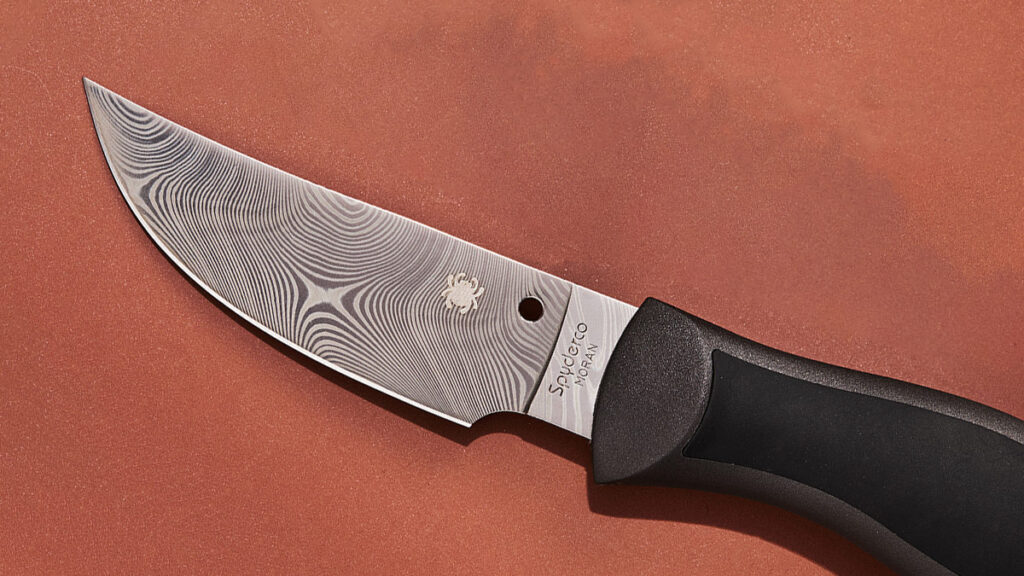
Modern Damascus Steel is made from a process called Pattern Welding. Two or more different types of steel are layered and folded together under heat and pressure to forge a single billet, which can then be used to make knife blades.
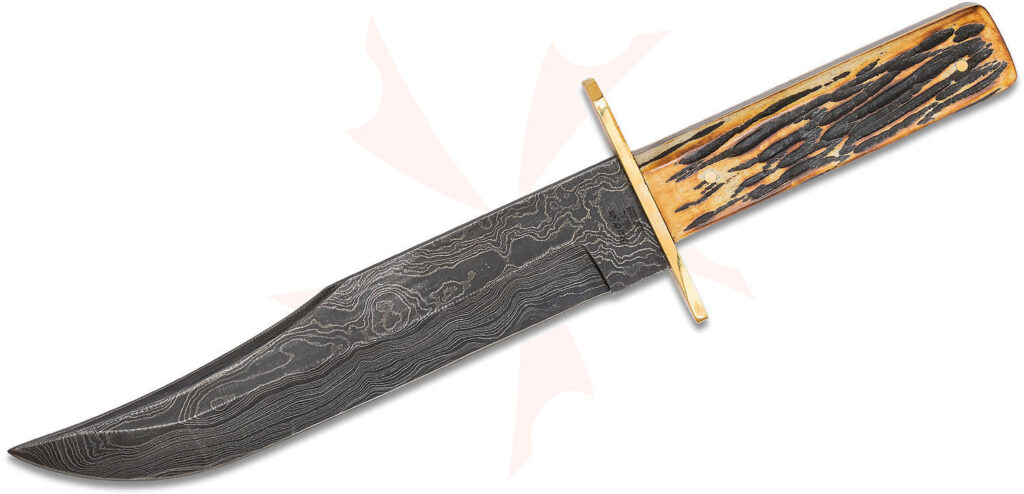
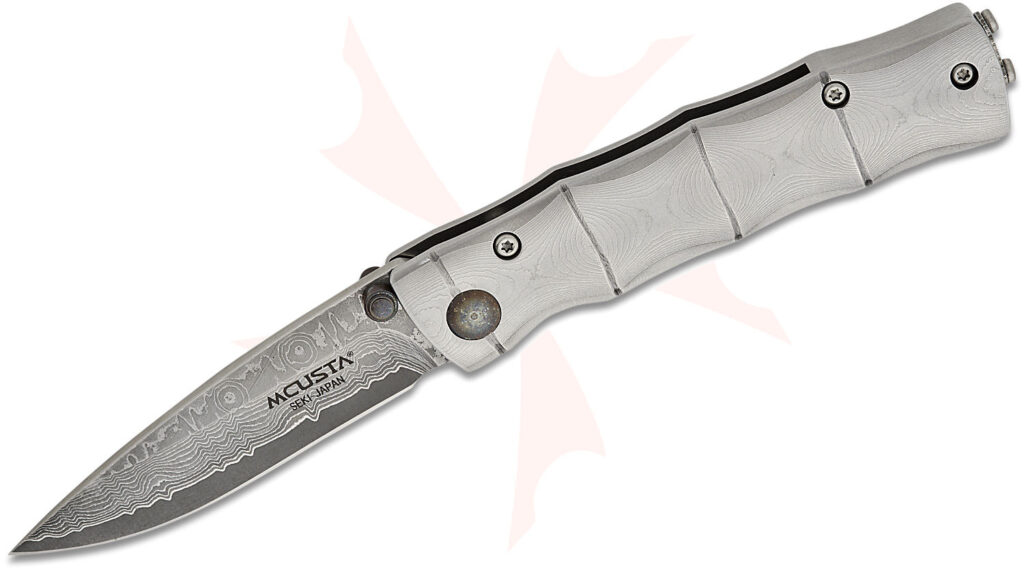
The fusing of these different alloys creates the signature wavy appearance of Damascus, which may be subtle or even invisible until the finished blade is exposed to an etching solution, such as ferric chloride. This etching process will erode or darken the alloys at different rates, which is how high-contrast Damascus finishes are achieved.
Is Damascus Steel Good?
Short answer: Yes! But there is a little more to it than that. Because there is no single composition of Damascus steel, you have to judge the performance based on the alloys used in the raw Damascus billet.
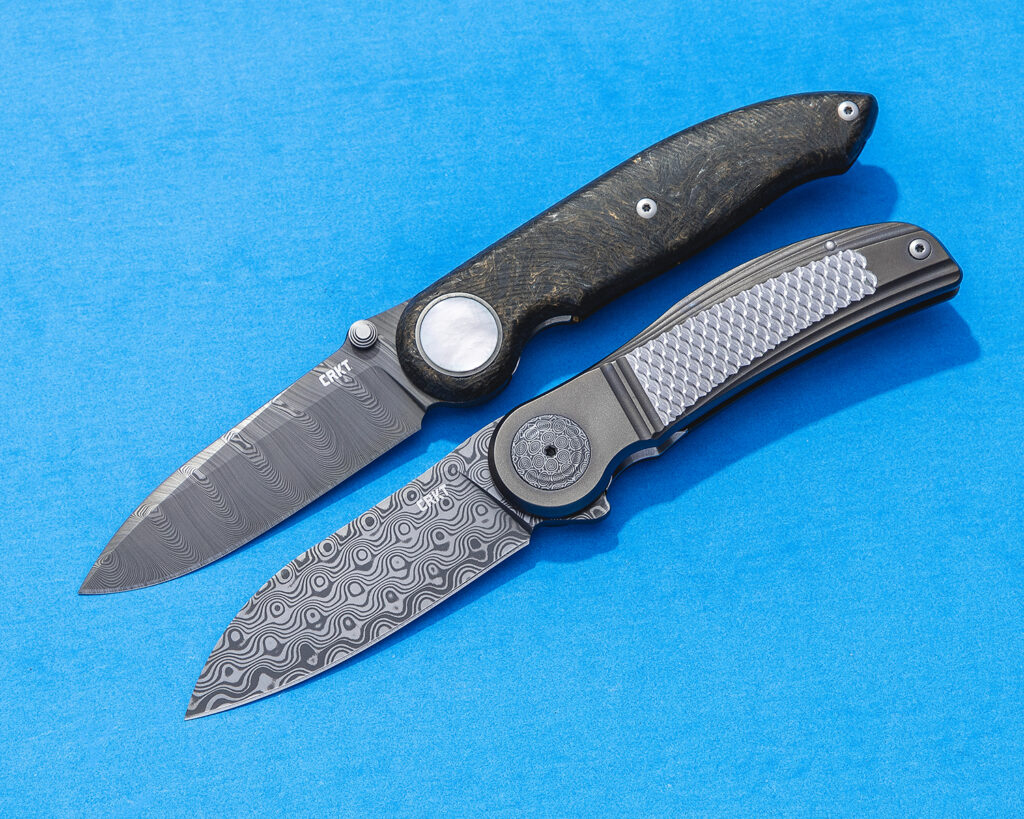
The more nuanced answer is this: Damascus steel can be very good, but if you are chasing ultimate performance, modern powder metallurgy alloys (such as MagnaCut, S90V, M390, and others) can achieve greater levels of performance than the commonly available Damascus blends.
Popular Varieties of Damascus Steel
Alabama Damascus
Alabama Damascus is made in America, typically from 15N20 and 5160 carbon tool steel. It isn’t stainless so you will have to keep it clean and lightly oiled, but the result is a very tough blade that can take a very fine edge. Although some of their steels can be folded into very precise, repeatable patterns, their “random pattern” steel is what you see most often.
VG-10 Core Damascus
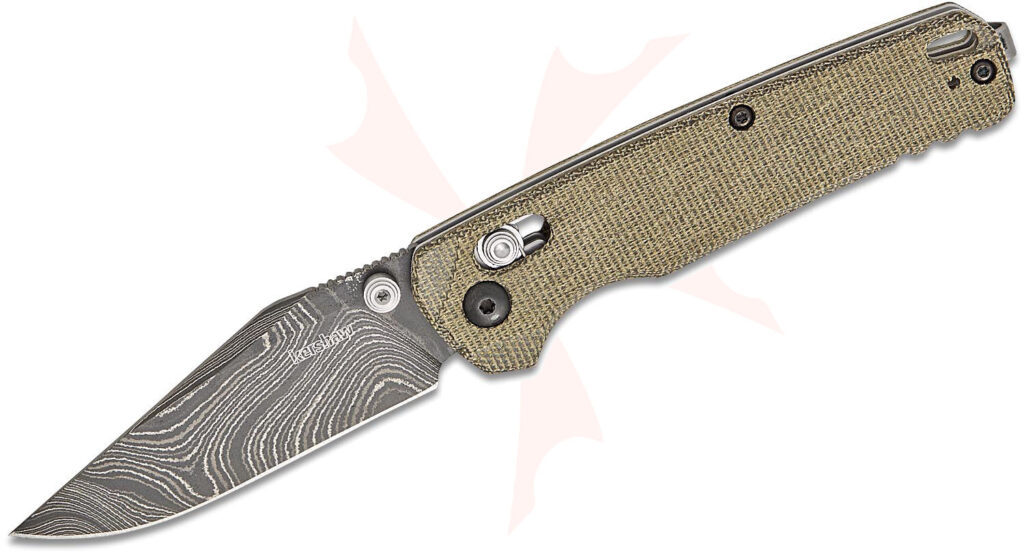
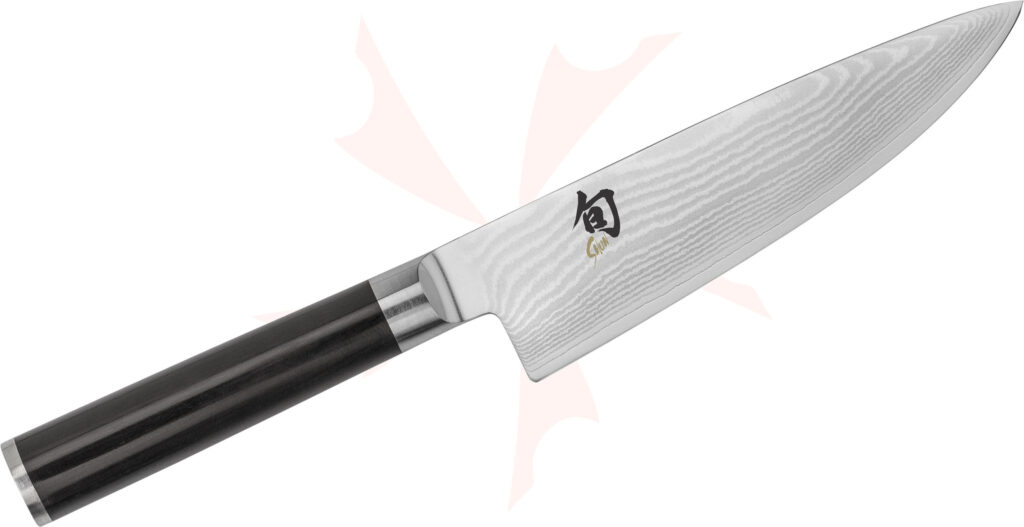
VG-10 Core Damascus, often found on high-end kitchen knives, features a core of VG-10 stainless steel sandwiched between layers of Damascus steel “cladding” on either side, creating what is called a laminated blade. This allows the core alloy to be responsible for the cutting performance, while alloys for the Damascus cladding can be chosen for their beauty without having to worry about the performance.
10Cr/9Cr Damascus
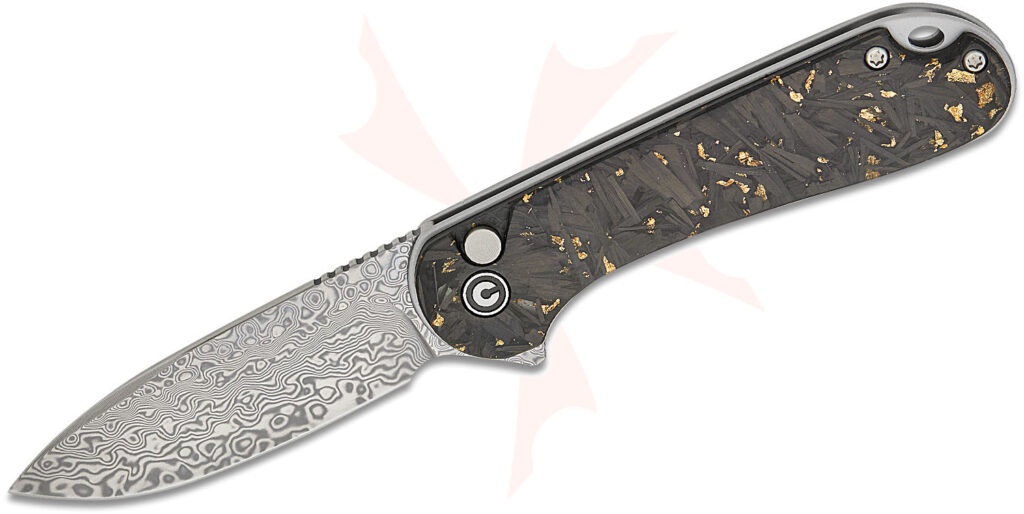
Often found on imported Chinese folders, the use of 10Cr18MoV (roughly equivalent to VG-10) and 9Cr13MoV (roughly equivalent to 440C) creates a beautiful billet that balances respectable performance with an affordable price tag.
Nichols Damascus
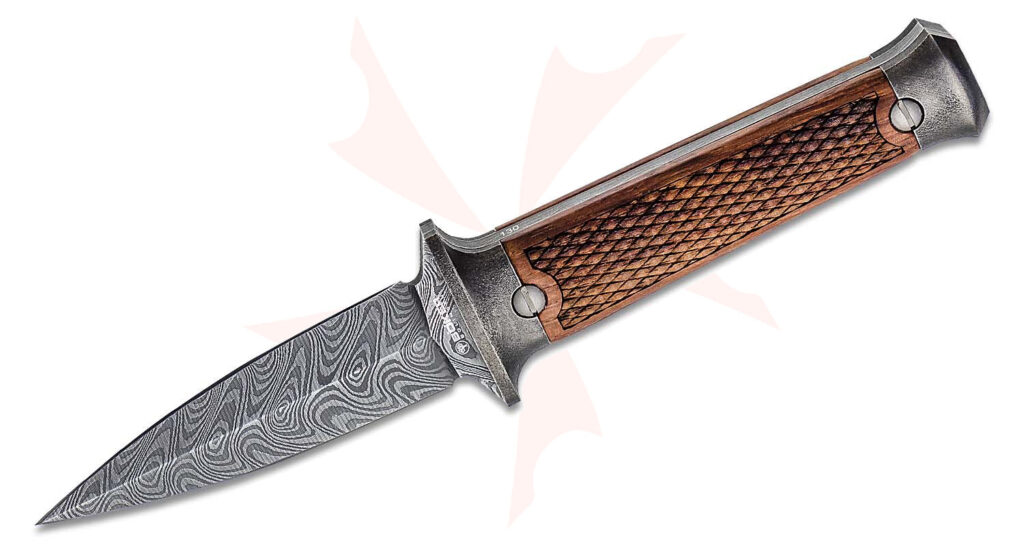
Chad Nichols makes highly coveted Damascus billets with traditional techniques and supplies many high-end knife makers and production companies with his product. His stainless Damascus is what we see the most of, and it is made with a base of AEB-L steel which makes it exceptionally tough.
Damasteel Damascus
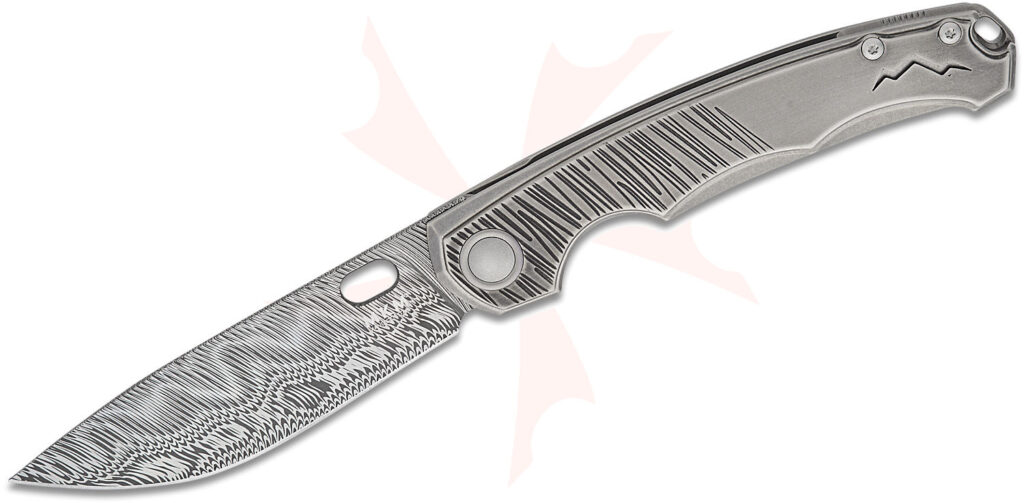
Damasteel is a powder-metallurgy Damascus product created by the Swedish company of the same name. It is made with RWL-34 steel, which is equivalent to the American grade of CPM-154. If you want the highest performance Damascus blade, this is the alloy you should seek out on production blades.
Is Damascus Steel Stainless?
It entirely depends on the alloys used, so there is no single answer. Varieties such as Alabama Damascus are made with carbon steel and are not stainless, while Damasteel, VG10 Core, and 10Cr/9Cr blends are stainless.
Wootz Steel vs Pattern Welded Damascus
You might hear some saying that what we call Damascus steel today isn’t “true” Damascus, and they do actually have a point.
Historic Damascus steel, also called Wootz steel, was produced in India and Sri Lanka as early as 300 B.C. It was renowned for both its beauty and strength when used as a blade material. The exact techniques and ores used at the time have been lost to history, so while we can not recreate “true” Damascus steel today, modern pattern-welding techniques can mimic the look and, often, beat the performance of historic Damascus blades.
Fun Facts About Damascus Steel
- Legendary bladesmith Bill Moran is credited with inventing modern Damascus steel by introducing his first pattern welded blades in 1973. He is also one of the four founding members of the American Bladesmith Society (ABS) which has helped promote and safeguard the modern bladesmithing movement in the United States.
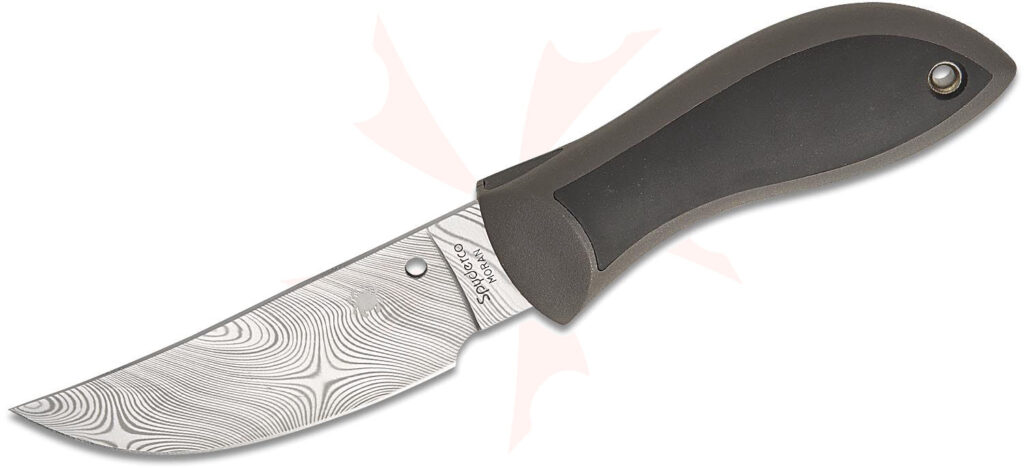
- Pattern Welded Damascus Steel can be folded into a variety of patterns depending on the skill of the smith creating it, from random swirls to widely recognized patterns (Ladder, Rose, more) and even Mosaic Damascus which can create a picture with the layers of steel.
- Historic Damascus Steel was not actually made in Damascus (now Syria). European traders acquired the famous blades in the ancient city of Damascus, which is where the steel got its name.
To browse KnifeCenter’s extensive selection of knives with Damascus Steel blades, click here.