Blade Steel Is Less Important Than You Think

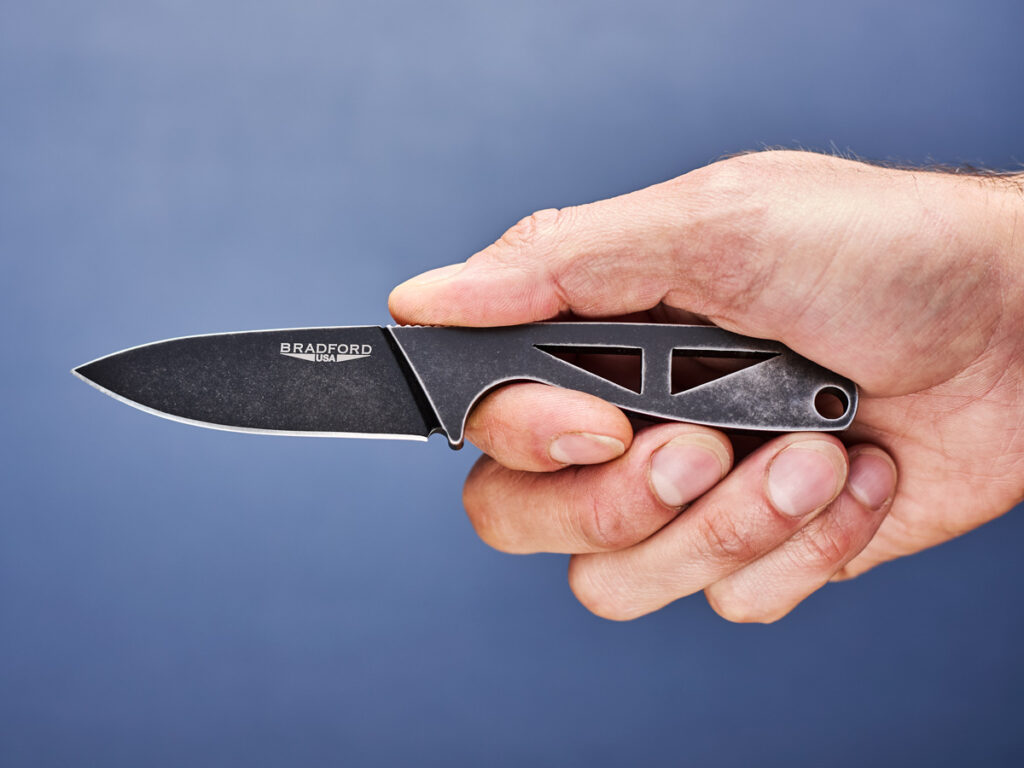
It’s time for a harsh truth: most knife buyers spend too much time staring at steel charts and not enough time thinking about how a knife feels and cuts.
The truth is that blade steel is easy to market. It has brand names, scientific data, and status. But when you use a knife every day, the things you appreciate first are the handle shape, the grip, the edge geometry, and how easy the knife is to control.
If you want a knife that works well in real life, read on to put blade steel in its proper place and learn how to start shopping for what you actually need.
Steel matters, but it usually isn’t the top priority
The big idea here is simple: the steel in a knife matters less than people think. That doesn’t mean blade steel is unimportant. Nobody wants a knife that dulls too fast or takes forever to sharpen. Still, steel is only one part of the full picture.
A better way to think about knife performance is to rank the things you feel and notice first. In day-to-day use, a knife succeeds or fails based on a few practical traits.
- Handle comfort and handle shape often come first.
- Edge geometry matters right behind that.
- Heat treatment can matter more than the steel name on the box.
- Steel composition still matters, but only after everything else is on order.
That order surprises a lot of people. Premium steel gets the spotlight because it’s easy to compare on paper. However, your hand doesn’t care about marketing language. If the handle is cramped, awkward, or slippery, the knife won’t feel good no matter how impressive the steel sounds.
The same goes for cutting performance. A blade with thin, efficient geometry often feels better in use than a thicker blade made from a more expensive steel. In other words, the knife’s shape and grind has a much bigger effect than the alloy alone. If a knife doesn’t fit your hand well or cut cleanly, expensive steel won’t fix it.
That idea becomes even clearer when you look at compact EDC knives. Small folders often force trade-offs. You may get a short blade, but the handle can also shrink. If the handle gets too short, comfort drops fast, even if the steel is excellent.
Why handle comfort changes everything
A knife is a hand tool first. Because of that, the handle decides a lot about whether you’ll enjoy using it or avoid carrying it.
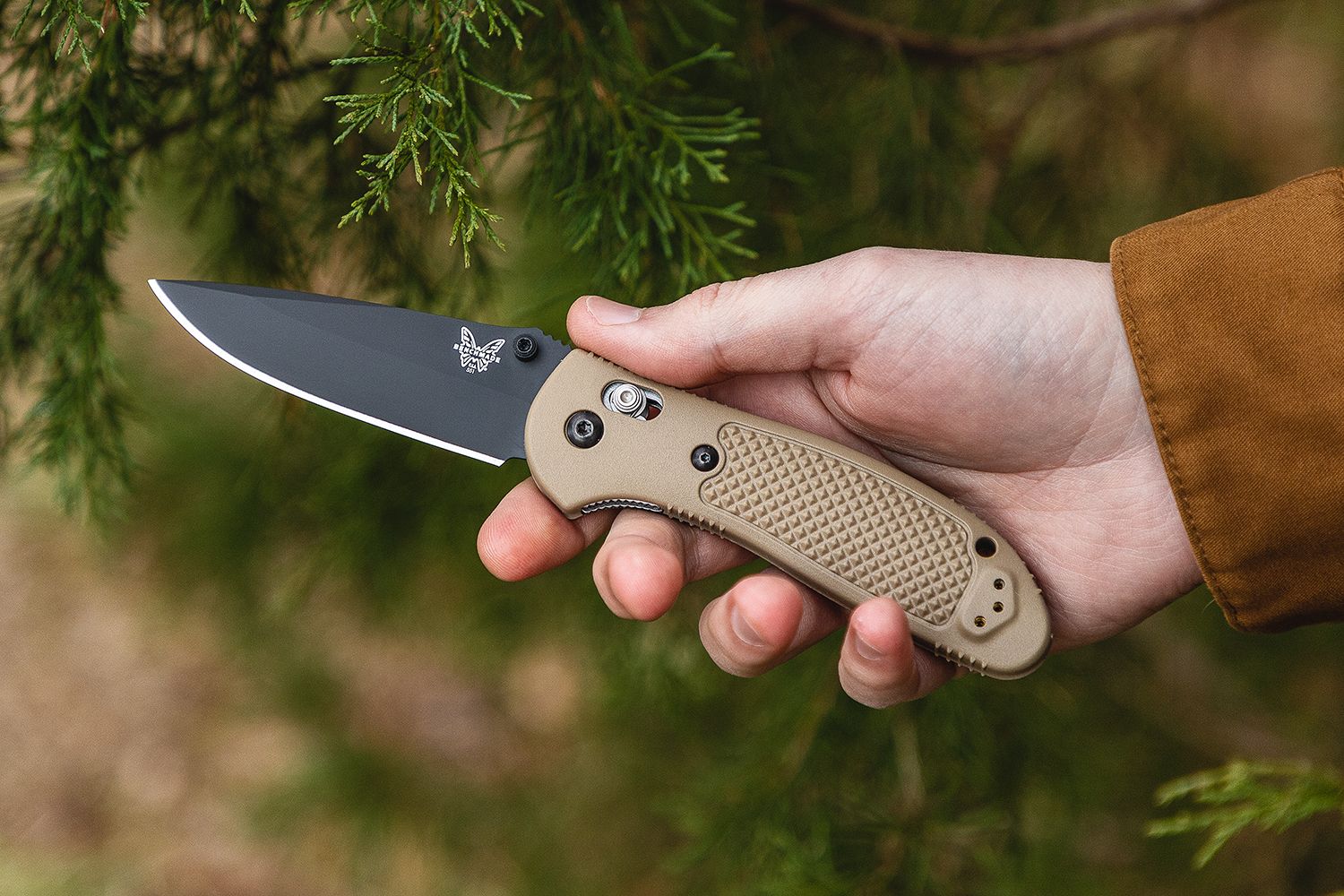
When people talk about a knife “disappearing in the hand,” they’re usually talking about good ergonomics. That means enough handle length, enough height, and a shape that supports your grip. On a small EDC knife, that can matter more than almost anything else.
You can find many compact knives with good steel. Finding one that also gives you secure control is harder. Handle length matters so much on short blades. A little more handle can turn a knife from cramped to comfortable. A finger choil can help too, whether it’s guarded or unguarded, because it lets you use more of the handle effectively. Yet a choil isn’t the only answer. Some designs fit all four fingers without needing one at all.
Comfort also affects safety. A knife that locks into your hand gives you better control during push cuts, detail work, and quick everyday tasks. By contrast, a knife that feels too small or too slick can make simple jobs feel clumsy.
This is also where fidget-friendly features tie into real use. A button lock or crossbar-style lock can make opening and closing easier and more finger-safe. Those features aren’t only about fun. They also change how you use the knife and how confident you feel using it.
So while steel may affect long-term edge retention, the handle affects every second the knife is in use. That’s why it deserves more attention than it usually gets.
Edge geometry and heat treatment often matter more than steel name
Once the handle works, the next thing to look at is how the blade is shaped.
Edge geometry is one of the most practical parts of knife performance. A blade that is thin behind the edge tends to cut with less resistance. A hollow grind, for example, can help create a fine, efficient edge that slices well. You feel that right away when cutting cardboard, rope, plastic, or food.
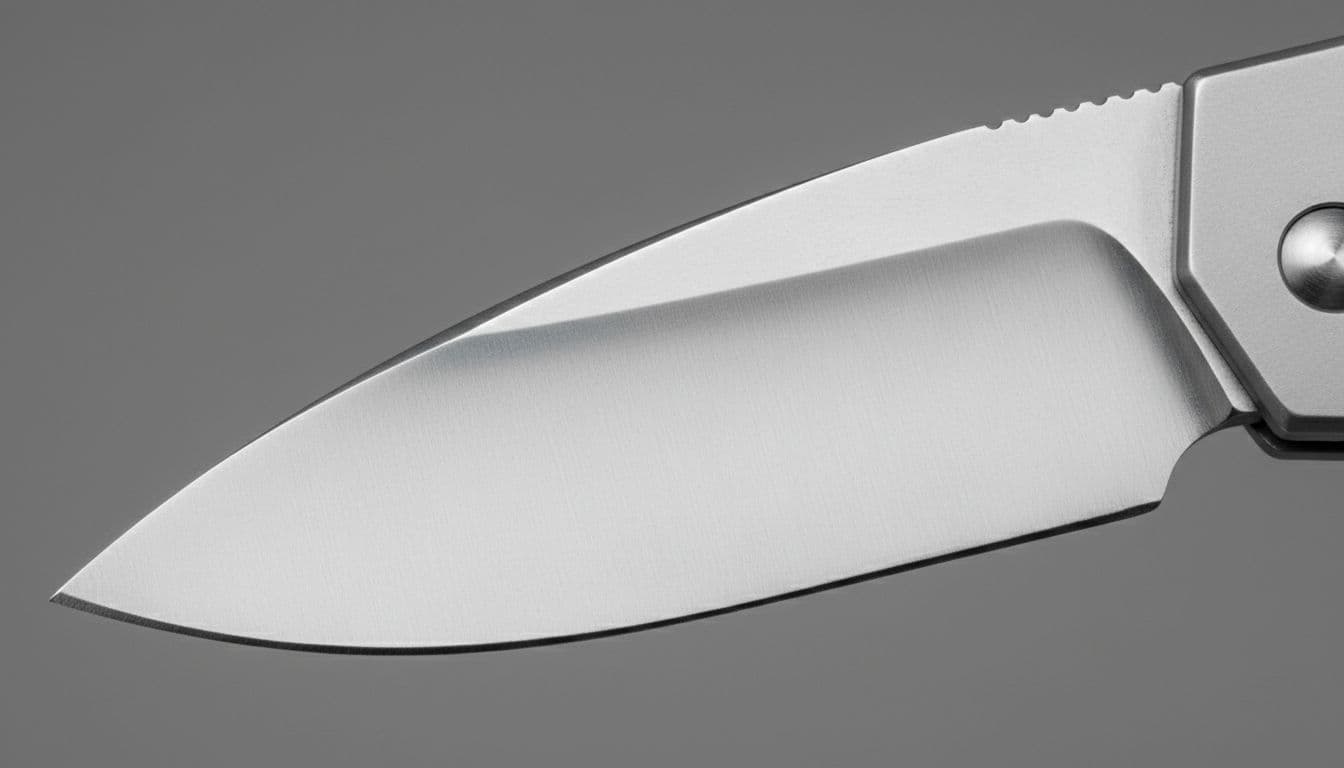
That matters because a steel upgrade can’t fully overcome poor geometry. A thick blade in premium steel may still feel worse in daily use than a thinner, better-ground blade in a more basic steel.
Heat treatment belongs in this conversation too. Two knives can sound similar on paper, yet perform differently if the maker treats the steel differently. That’s why the steel label alone doesn’t tell the full story. The steel type sets the potential, but the grind and heat treatment help decide how that potential shows up in use.
This is where a lot of buyers get tripped up. It’s easy to chase steel names because they’re simple to compare. D2, Nitro-V, RPM9, MagnaCut, they all sound like the whole story. They aren’t. They’re part of the story.
For many EDC users, the practical question is not “What is the fanciest steel I can afford?” A better question is, “Which knife will feel good in my hand and cut the way I need it to?” That shift leads to better choices. A well-designed knife in a solid mid-tier steel often beats a poorly designed knife in premium steel.
That doesn’t make super steels pointless. They’re great when paired with good ergonomics and strong geometry. The point is that they should be the finishing touch, not the first filter.
Compact EDC knives that prove the point
A few sub-3-inch folders show this idea well. These aren’t good suggestions because of steel alone. They stand out because they balance size, grip, lock type, and cutting feel.
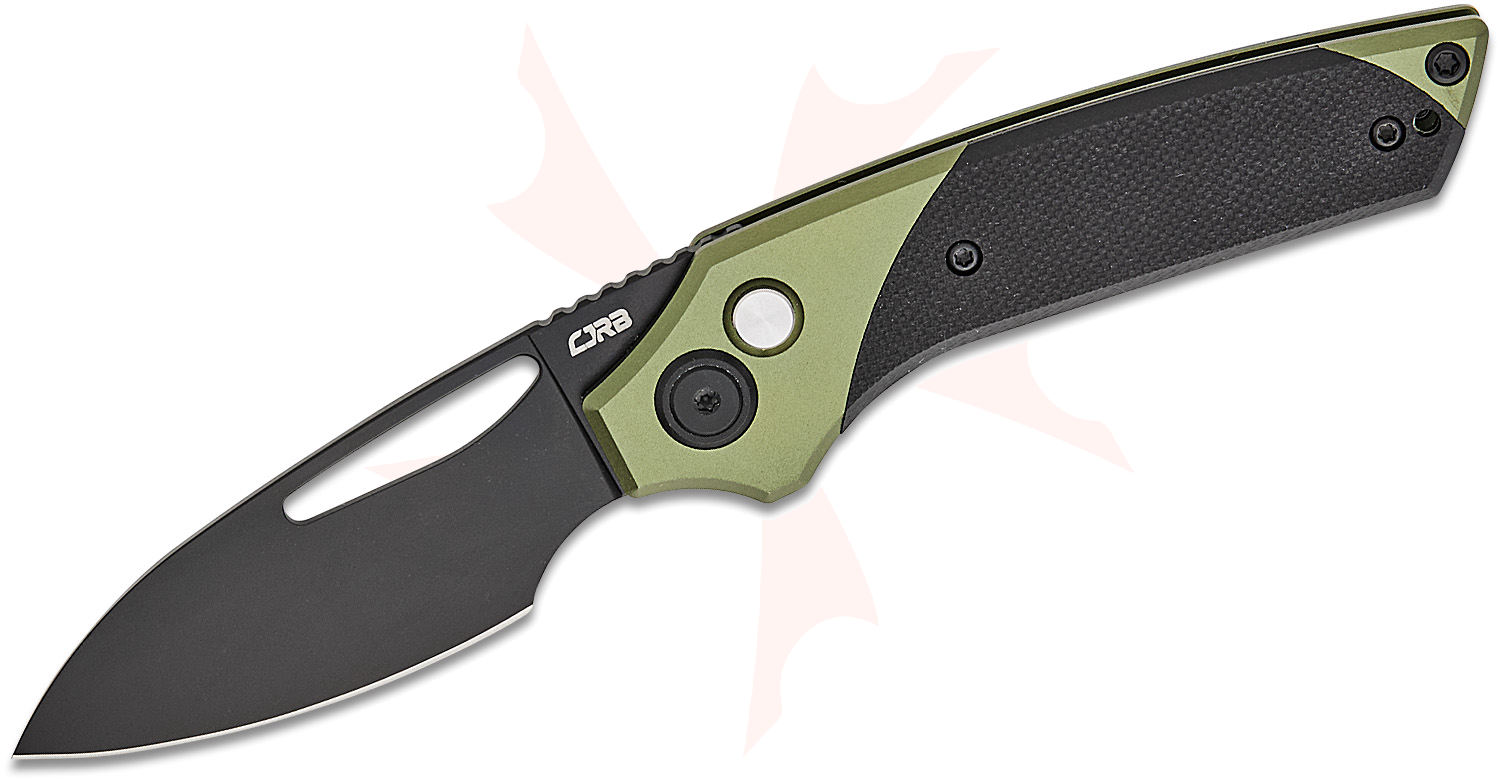
The CJRB Version comes closest to the “small but full-featured” idea on a tight budget. At around $48, it gives you a 2.6-inch blade, RPM9 steel, a button lock, front flipper, and blade cutout. It also has an unguarded finger choil that helps you get a full grip. It doesn’t check every single box, but it shows how much value you can get when the design puts use first.
/images/CR2495GR_1.jpg)
The CRKT Squid XM may be the clearest example of ergonomics beating steel hype. Its D2 blade won’t impress people who shop by steel charts alone, yet the knife offers a lot where it counts. The 2.95-inch hollow-ground blade is thin behind the edge, which helps slicing. The handle has enough length and height for a solid grip, especially for slightly larger hands. Add thumb studs, a button lock, and deep carry, and it becomes easy to understand why this is such a strong everyday option.
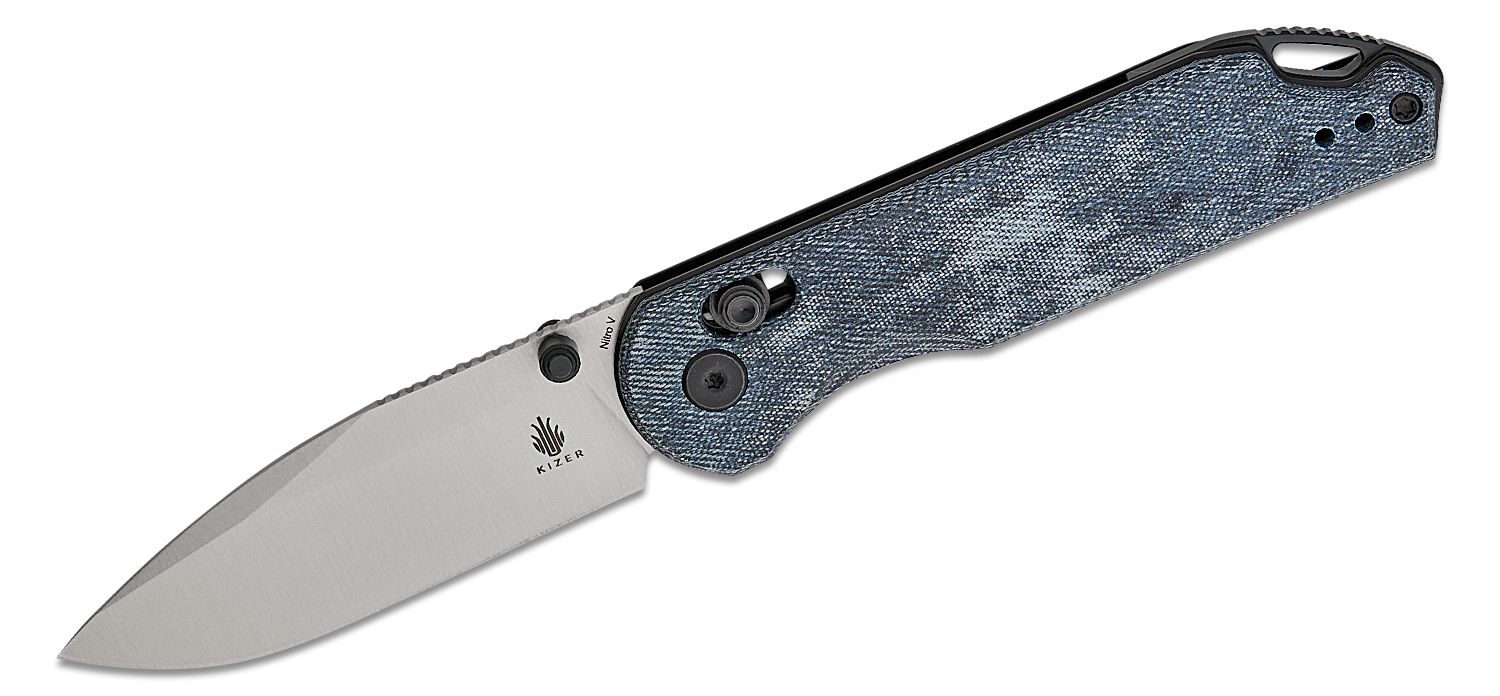
The Kizer Assassin makes a similar point in a different way. Its 3-inch Nitro-V drop point is versatile, but the bigger win is the handle design. Even though the finger groove may make it look smaller at first glance, the front of the handle stays open enough that four fingers can fit comfortably. There isn’t a flipper tab crowding the grip, and that makes a difference.
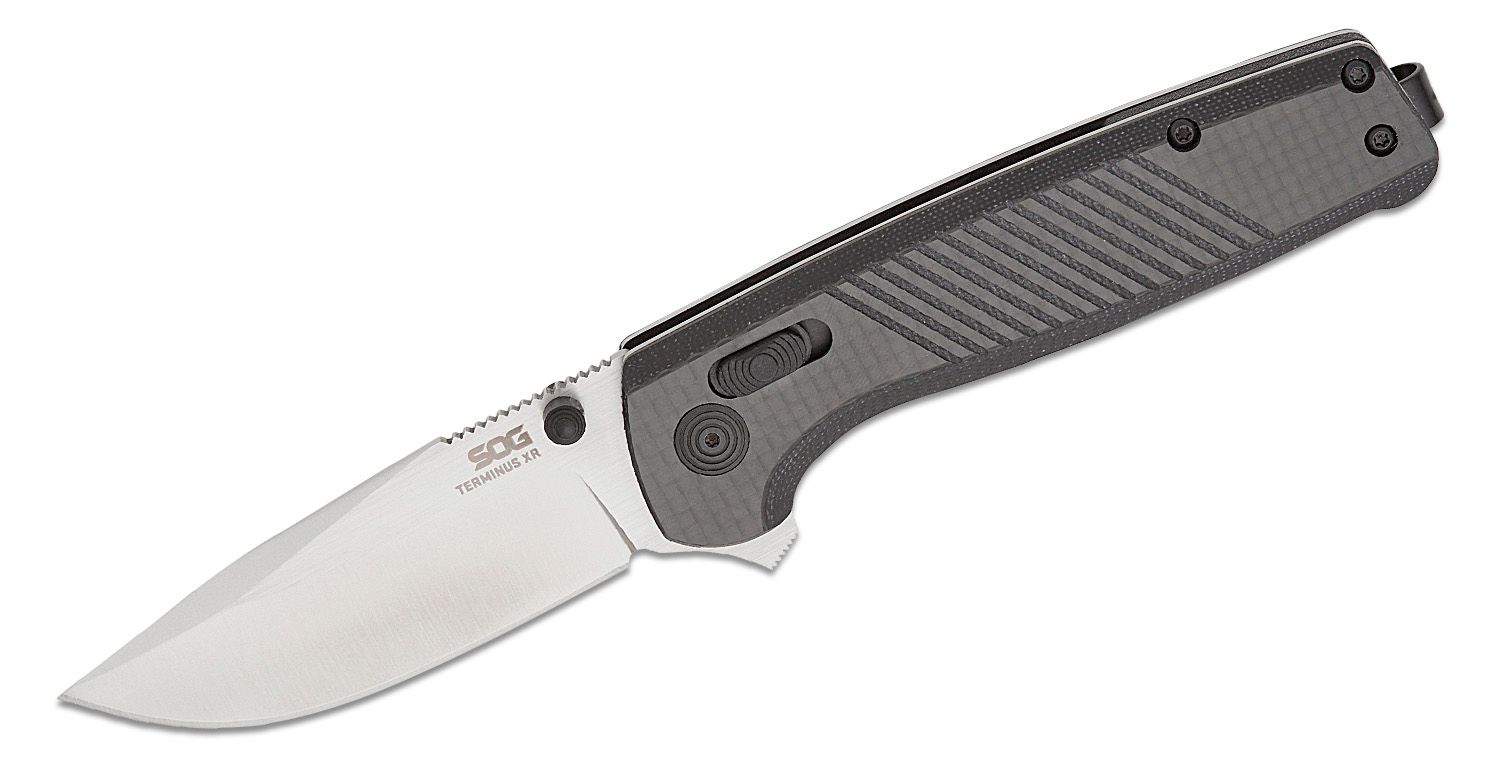
Then there’s the SOG Terminus XR. This one may feel a little smaller in the handle than the others, and the flipper tab takes up some room. Still, it manages to feel substantial in hand. It also has one of the most playful and flexible opening setups in the group, with a crossbar lock, flipper, and thumb studs. For many users, that mix of carry comfort and easy interaction matters more than chasing a pricier steel.
How to choose a knife without overrating steel
If you’re shopping for a new knife, it helps to change the order of your questions.
Start with grip. Can you get a secure hold? Does the handle support the way you cut? On a compact EDC, can you still get a full grip without feeling cramped? If the answer is no, move on.
Next, look at blade geometry. Is the edge thin enough to cut efficiently? Does the blade shape match what you do most often? A versatile drop point, for example, is often easier to live with than a more specialized shape.
Then consider lock type and carry. A knife that opens and closes smoothly, carries well, and feels safe in use will probably get more pocket time. That matters because the best knife is still the one you enjoy carrying.
Only after that should steel move to the front of the conversation. At that point, it becomes a tie-breaker instead of the whole decision.
A lot of buyers would be happier if they treated steel this way. Not as the headline, but as one piece of the design.
A better knife is usually the one that feels right
If you’ve ever bought a knife for the steel and stopped carrying it, you already know the lesson. The part you notice every day isn’t the alloy chart. It’s the fit in your hand and the way the edge moves through material.
That’s why handle comfort, edge geometry, and solid design deserve more attention than steel alone. Premium steel is nice. A knife that feels right is better.
When you look at your next EDC, try ranking the traits that matter most to you before you look at the steel name. You may end up with a knife you use more, trust more, and enjoy a lot longer.