Pro-Tech Malibu vs Alternatives: Can Anything Beat the Button Lock Icon?
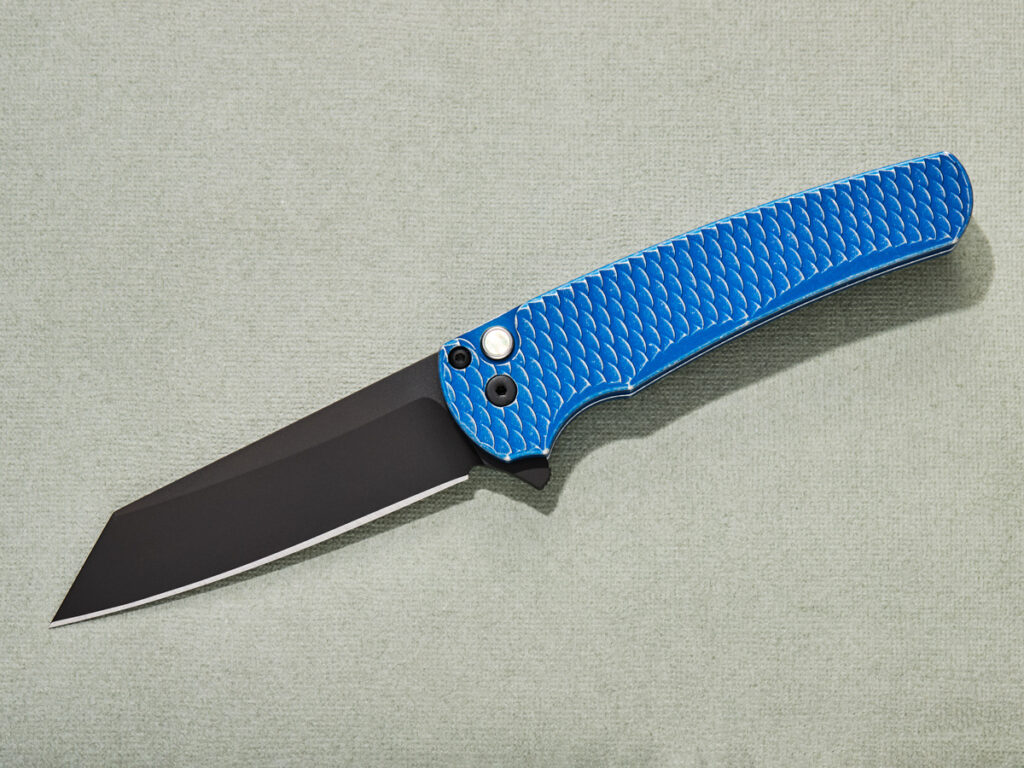
The Pro-Tech Malibu earned its icon status instantly: the moment it hit the market, every other flipper seemed worse by comparison. The Malibu’s manual button lock flipper action was so good, in fact, that it singlehandedly kicked off a resurgence of fidget-friendly button lock folders that continues to this day.
Now it’s time for Pro-Tech to face the music: with alternatives ranging from budget picks to premium contenders, can anything beat the Malibu?
Why the Pro-Tech Malibu became the benchmark
Button locks existed before the Malibu, but the Malibu changed expectations. The action is what people remember first, because it’s crispily satisfying, fast, and easy to repeat. And while that does make it fun to operate, it’s not a desk toy. It’s also sized and built like something you can carry daily and still use for real cutting.
A big part of the Malibu’s appeal is balance. It doesn’t feel overbuilt, but it also doesn’t feel delicate. In the pocket, it stays out of the way. In the hand, it feels solid enough to get work done.
Here are the core details that define the model discussed:
- Blade shapes: Reverse tanto or a modified Wharncliffe profile
- Blade length: Roughly 3.3 inches
- Steel: MagnaCut, though other options are sometimes available
- Handles: Aluminum, available smooth or textured, with many color options
- Price: About $225 for smooth aluminum versions, about $260 for textured (with higher-end variants above that)
- Carry: Deep-carry pocket clip (not reversible), plus a small hidden lanyard point
- Made in: USA
The closing action is part of the magic too. Because it’s a button lock, we can hold the button and let it drop shut without putting fingers in the blade path. That “finger-safe” feel, paired with the fast flip, is what made the Malibu the standard for modern button lock flippers.
Budget challengers under $100: good knives, but do they flip like a Malibu?
If we keep price in mind, a lot of knives get surprisingly close on paper. They offer aluminum handles, solid steels like 14C28N, and flipper plus button lock setups. Still, “close on paper” isn’t the same as “close in hand.”
Instead of treating these as Malibu clones, we like to think of them as value-focused picks that borrow the same general idea: simple carry, practical blade shapes, and an action that makes us want to open the knife again.
Kershaw Leek series: an assisted-opening wild card
The Leek isn’t a button lock flipper, but it belongs in this conversation because it scratches a similar itch. It’s an assisted-opening flipper with a long-running reputation, and it comes in blade shapes that line up nicely with the Malibu’s options.
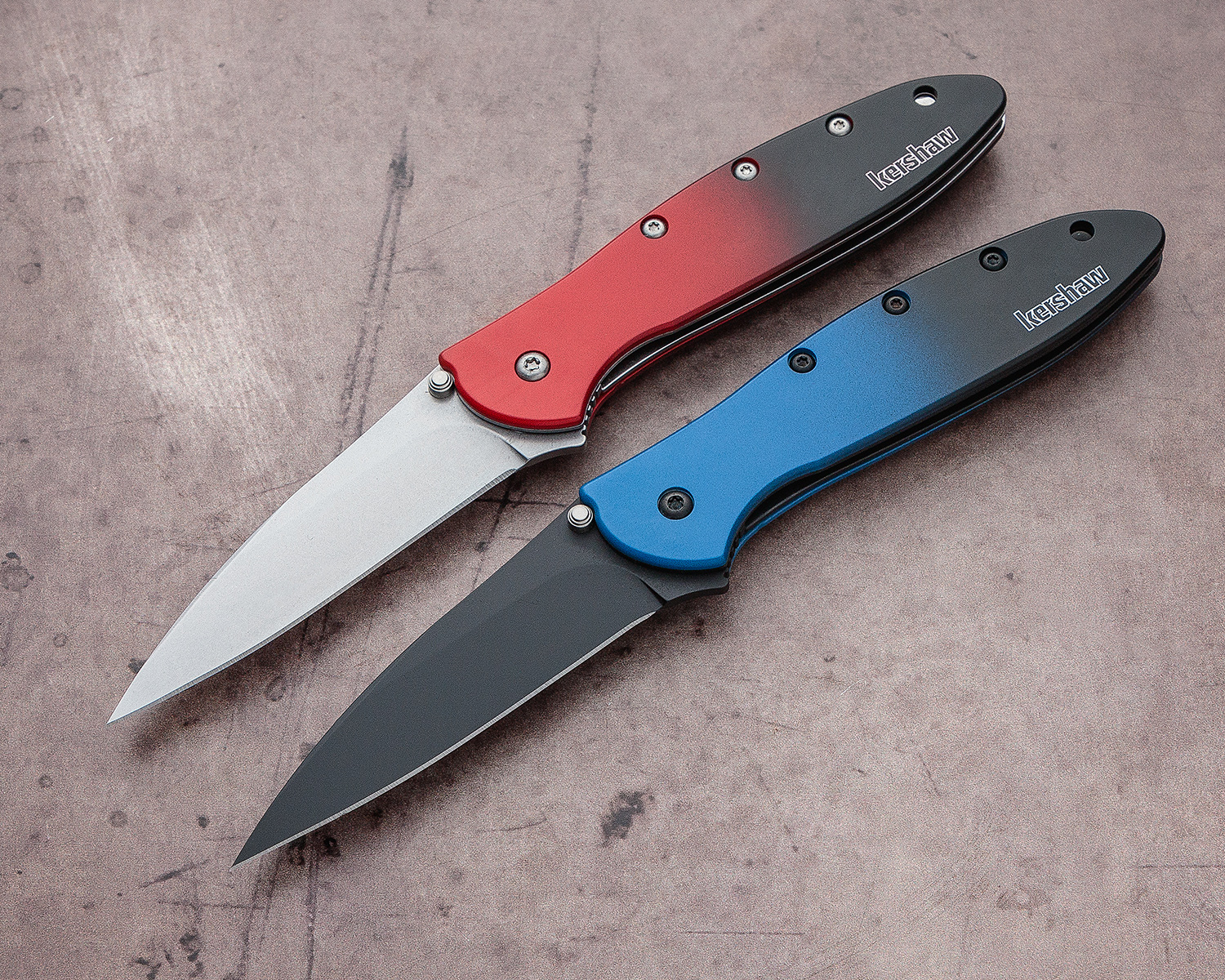
The standout comparison is the USA-made Leek with aluminum handles and MagnaCut, priced around $120, which is far below the Malibu’s typical $225 entry point. There’s also the Random Leek, using a stainless frame lock and 14C28N, around $93.
The tradeoff is the lock style. With the Leek’s liner lock or frame lock, closing is more deliberate, and our fingers cross the blade path in a way the Malibu avoids. The assisted action is satisfying in its own way, but it isn’t as crisp as the Malibu’s button lock flipper.
CIVIVI Chevalier II: Malibu-inspired and easy to recommend
At just under $70, the Chevalier II feels like it’s aiming directly at the Malibu’s lane. We get aluminum handles, a 3.5-inch modified sheepsfoot-style blade, and 14C28N steel. It won’t match MagnaCut for edge retention, but it’s a tough stainless steel that holds up well in normal use.
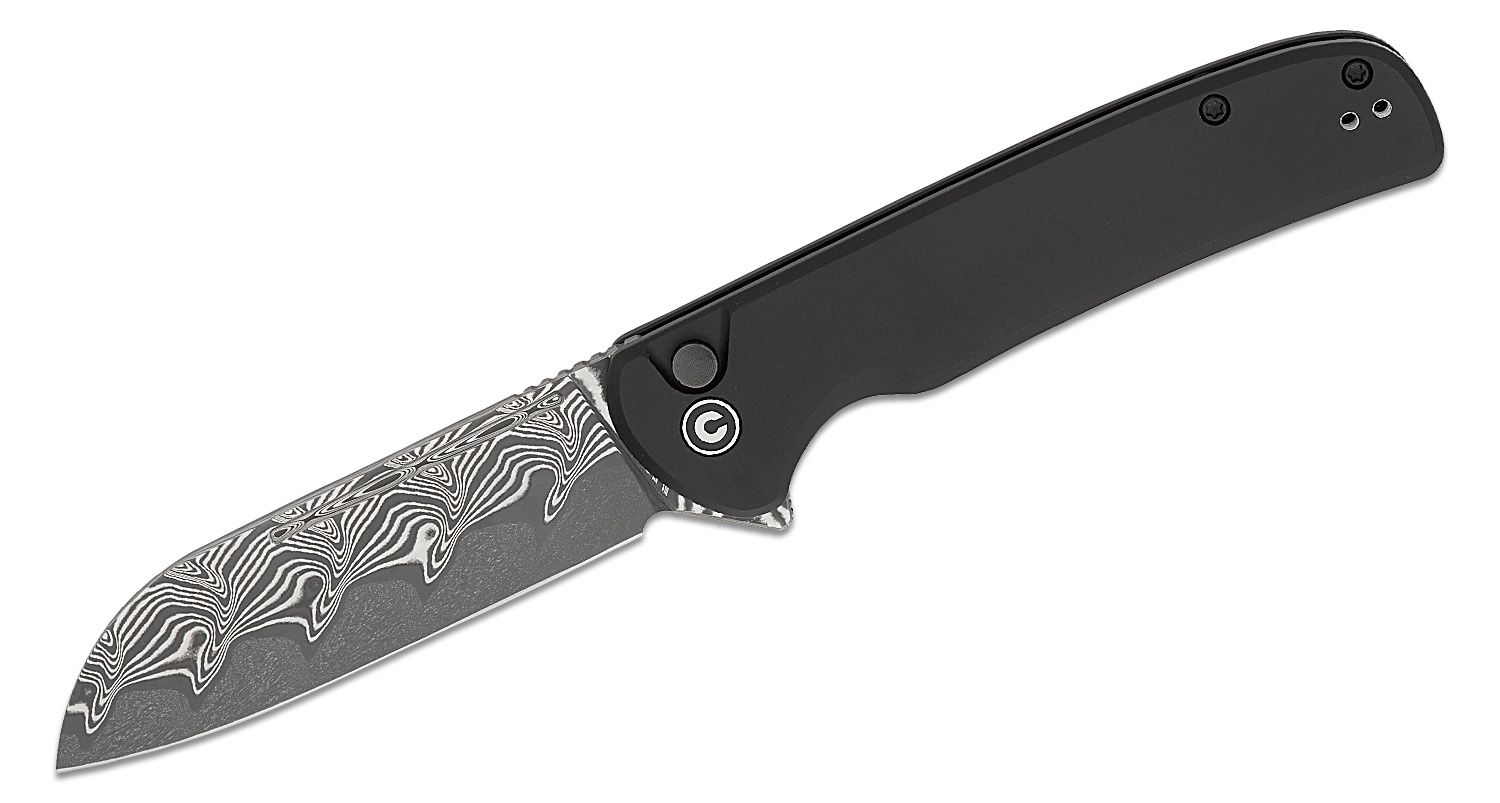
The geometry also comes off slicier than the Malibu, which can be a plus for daily cutting. Carry is strong too, because the deep-carry clip is reversible, a clear “why not?” feature for left-handed knife people.
The action is very good, although it doesn’t hit the same “snap” as the Malibu. Still, for the price, it’s easy to understand why it’s popular.
QSP Penguin Button Lock: small, practical, and feature-packed
The button lock Penguin lands around $65 and brings a lot of useful touches. It runs 14C28N like the Chevalier II, uses a sheepsfoot-style blade, and comes in a slightly smaller overall package than the Malibu, with less usable cutting edge.
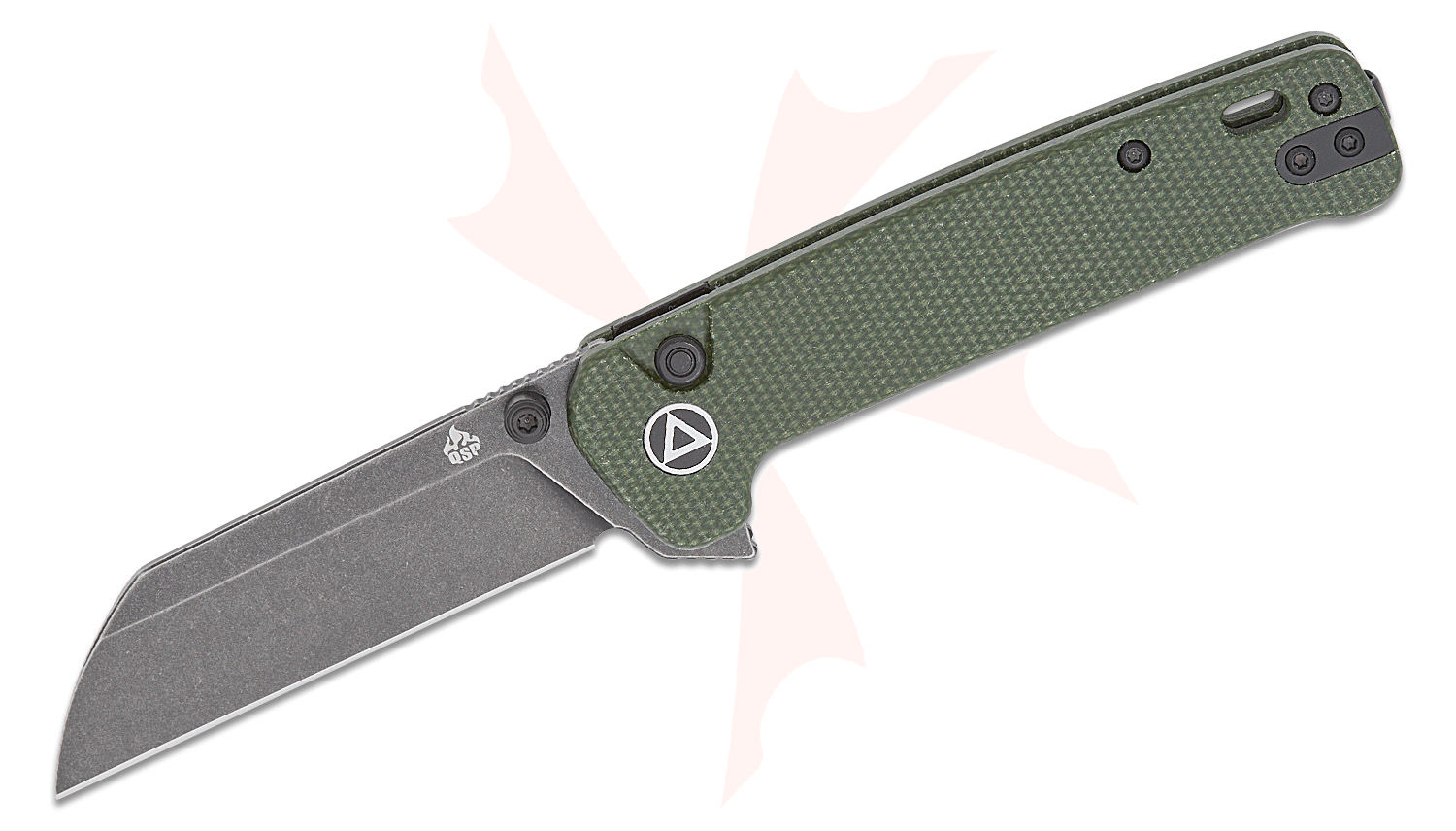
Where it gets interesting is options. Along with the flipper and the button lock, it also has thumb studs, so we can choose how we want to open it. The deep-carry clip is very deep, and it’s reversible.
The flipping action feels a little softer than the Malibu, but still satisfying for the money.
Vosteed Corgi: “Trek Lock” button lock feel, plus a front flipper
The Vosteed Corgi (around $62) uses what the brand calls a Trek Lock, which is effectively a button lock. It’s a 3-inch class knife with 14C28N and a modified sheepsfoot-style blade.
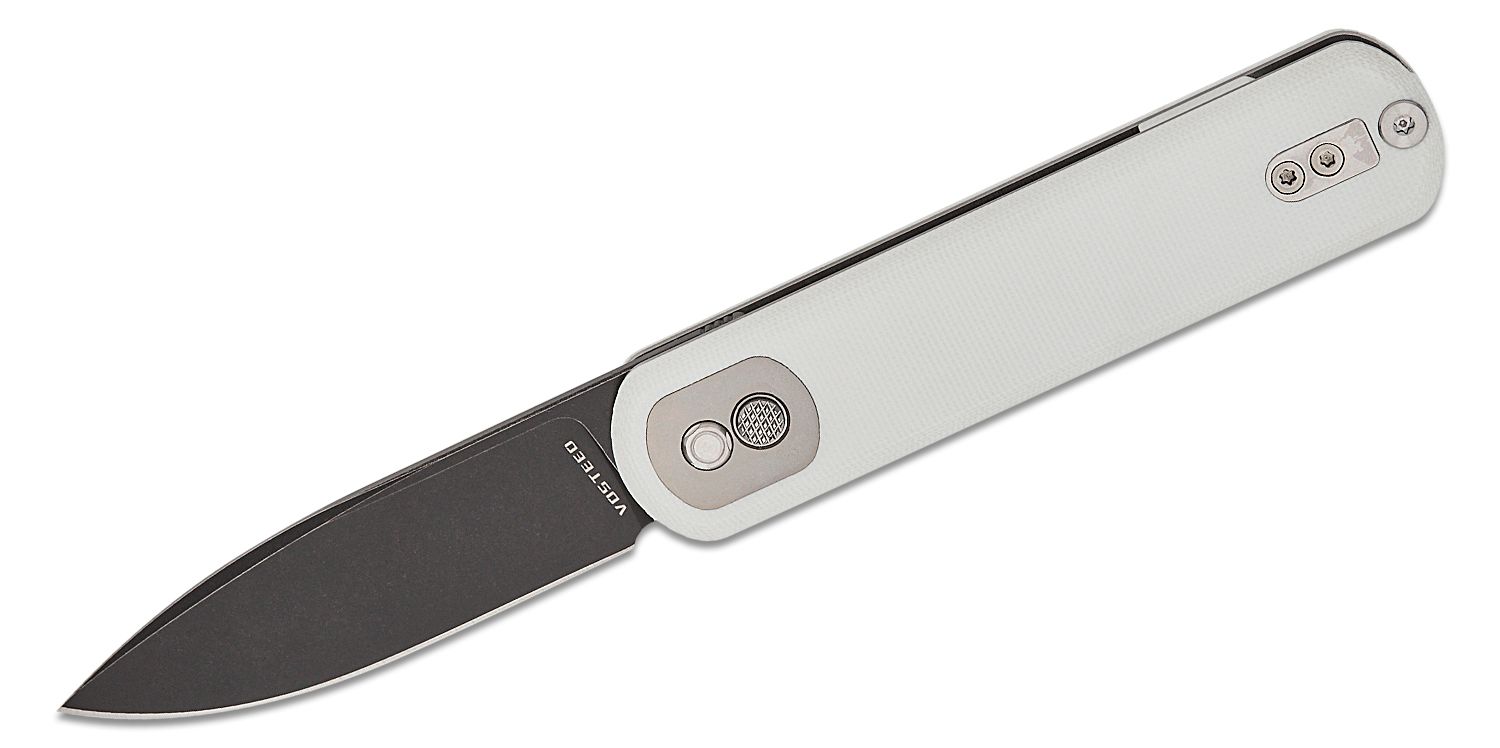
Functionally, it offers a lot. Besides the rear flipper, it supports front flipping too, which gives us another way to fidget or deploy. The action, however, doesn’t feel as snappy as the Malibu, and it’s easier to get a weak deployment if we go too gentle on the flipper.
If we want the full Malibu “flip every time” confidence, this one doesn’t quite land there. If we want extra opening methods at a low price, it remains a compelling pick.
Mid-range picks that feel more premium
Once we step over $100, the materials and finishing start to change, and so do expectations. At this point, we’re not just asking, “Does it work?” We’re asking, “Does it feel as special as it costs?”
Kansept Kosame: titanium handles at a friendly price
The Kansept Kosame button lock flipper sits around $113 and takes an interesting approach. It gives us titanium handles, which many people associate with higher-end knives, but pairs that with 154CM blade steel (solid and proven, but not in the same class as MagnaCut).
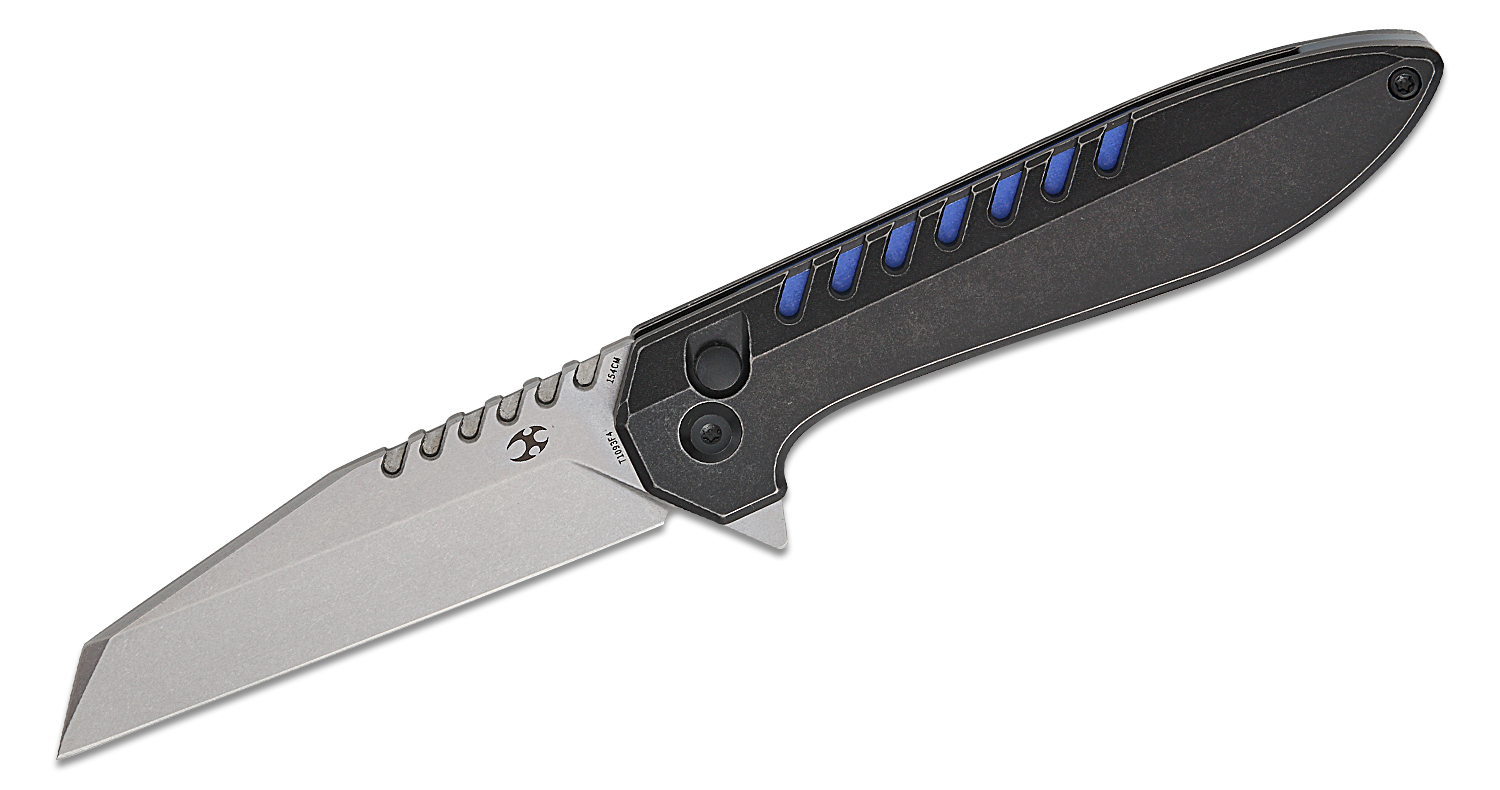
Blade length comes in around 3.37 inches, and the overall look leans toward the Malibu’s reverse tanto vibe. Handle shaping is more complex than the Malibu, with facets, cutouts, and what looks like an internal blue G10 inlay that adds contrast.
The clip is a single-position titanium clip, not deep-carry and not reversible, so it matches the Malibu’s “fixed clip” limitation, while giving up pocket depth. Action is good, but it still doesn’t knock the Malibu off its perch.
Spyderco Smock: button-actuated compression lock, different strengths
The Smock often comes up in Malibu discussions, especially because the price is similar (about $228) and it’s built around a fidget-forward lock. The Smock is made in Taiwan, which is an easy deciding factor for anyone focused on USA-made knives.
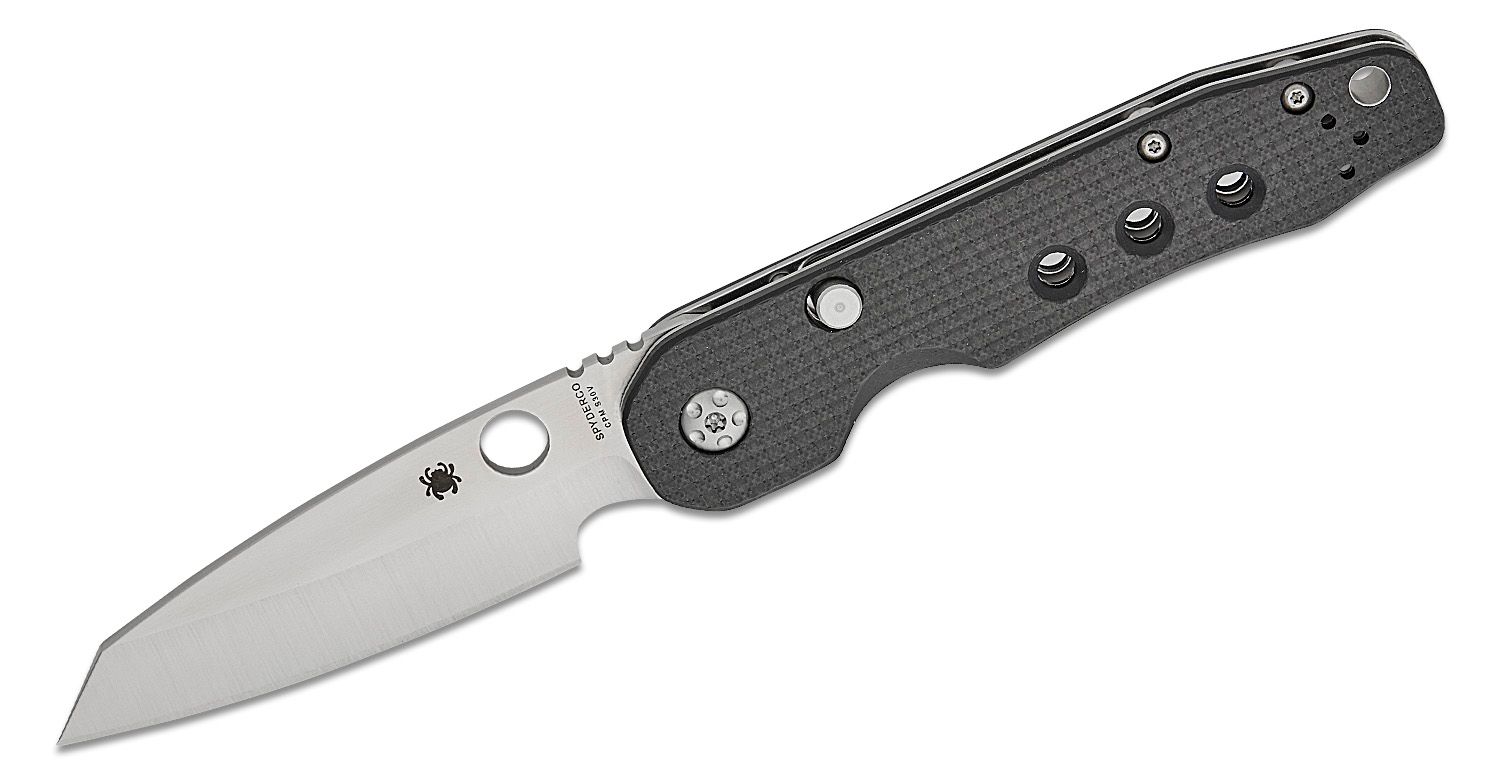
Instead of a plunge-style button lock, the Smock uses a button-actuated compression lock. That design can allow a crisp, tunable feel because the detent can be dialed in. It also uses a hollow grind, while the Malibu discussed uses a flat grind.
In hand, the Smock is a bit longer overall, yet it offers noticeably less cutting edge than the Malibu. That’s partly because of the space needed for the button to interact with the compression lock. Handle material also changes the feel, because we’re looking at a peel-ply carbon fiber surface with G10 underneath.
The flick is fun, but it feels softer than the Malibu, and it’s easier to “fail” a deployment if we don’t commit. Here’s the Spyderco Smock.
Hogue X1-Microflip: compact, USA-made, and seriously crisp
The Hogue X1-Microflip is smaller, with a blade around 2.75 inches, so it’s not a direct Malibu substitute. Still, we included it because its button lock action actually predates the Malibu, and it remains one of the best-feeling button lock flippers in its own right.
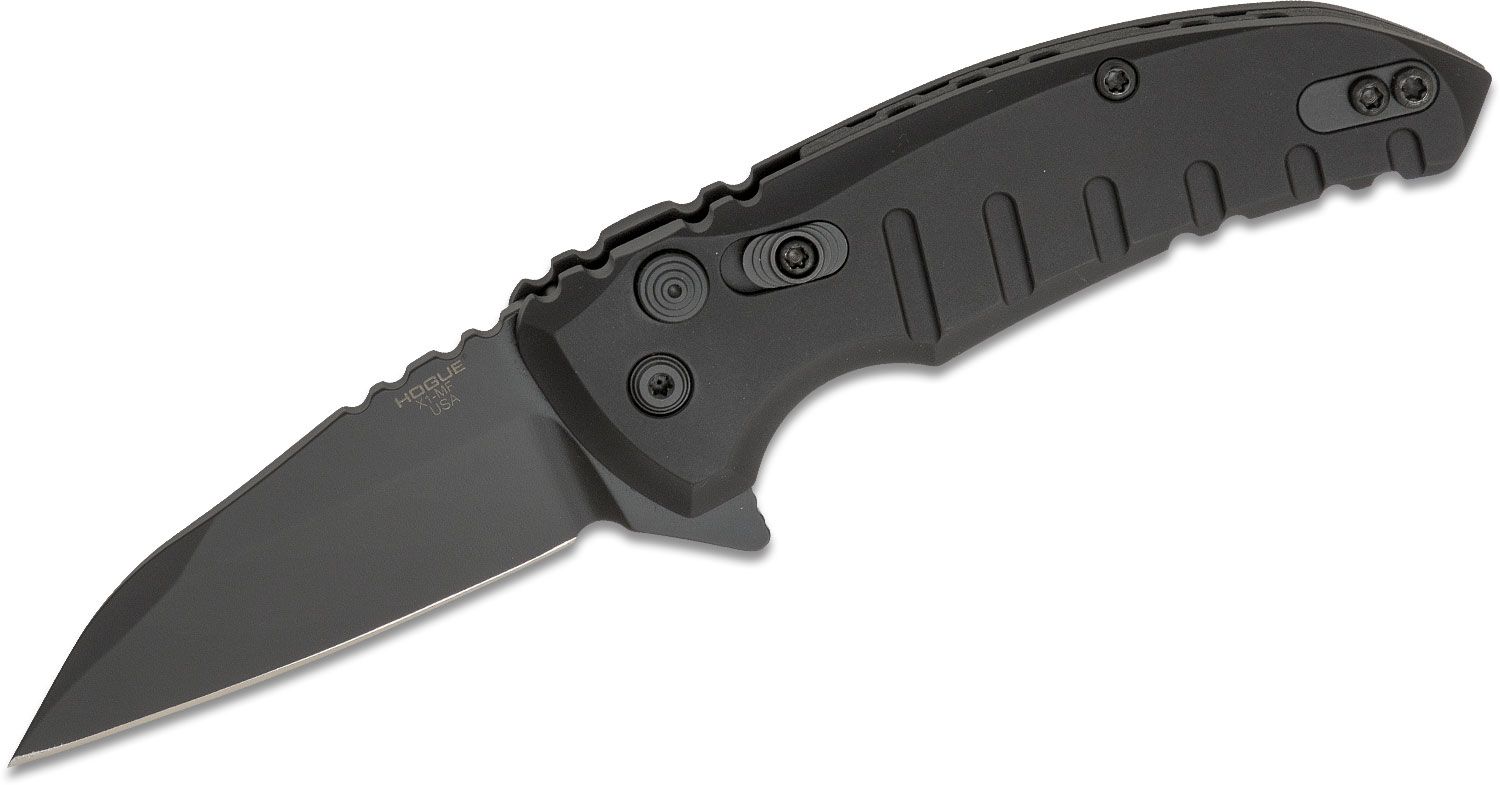
This one is USA-made with aluminum handles and CPM 154 steel (powder metallurgy 154, with higher toughness than standard 154CM). It also has a secondary safety switch, which appeals to anyone worried about bumping the button during use.
Here’s the catch: it’s so crisp that it gives up some of that Malibu-style fidget loop. The Microflip doesn’t like to flick closed the same way, unless we really nail it with force and timing. That comes down to how the detent is tuned using a movable plate system. The result is an action that can feel even crisper than a Malibu sample, but it’s less “drop shut and repeat.”
It also lacks a deep-carry clip, although the clip is reversible.
Staying with Pro-Tech: Mordax and Cambria for different blade needs
Sometimes the Malibu isn’t the problem. Sometimes the blade shape is.
The reverse tanto and modified wharncliffe options are close cousins. The edge line stays similar, while the spine changes the personality. If we want more belly, a more classic drop point, or a different tip height, and still want the Malibu’s awesome manual button lock action, Pro-Tech now offers other models that fit the bill.
Pro-Tech Mordax: bigger blade, familiar build
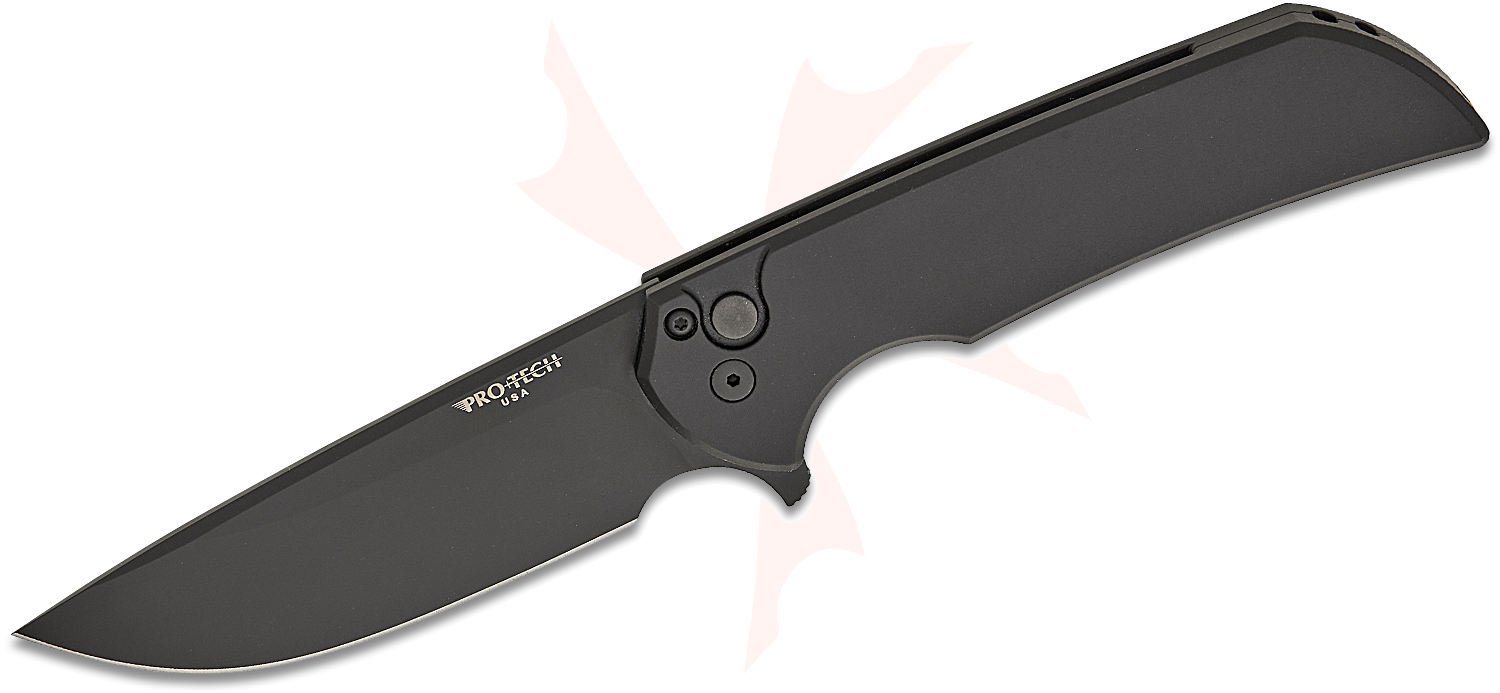
The Mordax (a Ferrum Forge collaboration) keeps the same general construction approach as the Malibu, with aluminum handles and MagnaCut steel. It steps up to a bigger 3.75-inch blade and lands around $240, only a bit more than a standard Malibu.
Because it’s still Pro-Tech and still built in the same spirit, we should expect similar action, and that’s what we get.
Pro-Tech Cambria: a more premium feel with a different drop point character
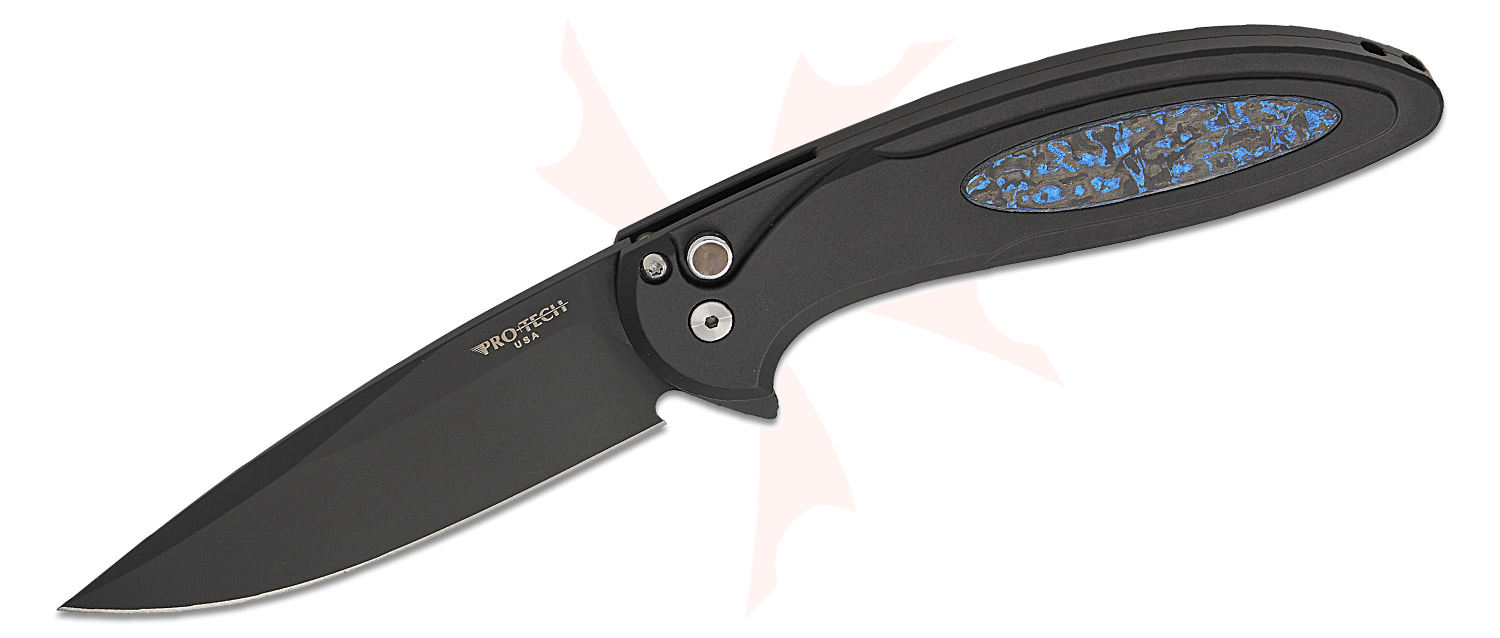
The Cambria sits closer to the Malibu in overall size, while changing the blade personality more dramatically. This one also uses aluminum and MagnaCut (on the version discussed), but adds a burl inlay and positions itself as a more premium option, priced around $280.
What stands out is the drop point shape and how the tip sits when held in hand. Compared to the Mordax’s higher tip, the Cambria’s tip rides lower than the Malibu’s, which can make it feel more controlled in certain cuts, while still giving us more belly for slicing.
The action remains classic Pro-Tech, which is the point. If we like the Malibu’s feel but want a different blade, the Cambria makes a strong case.
The closest threats: premium knives that can challenge the Malibu feel
At the high end, it stops being a value debate and becomes a feel debate. If we’re spending this kind of money, we want something that feels “right” every time it opens and closes.
WE Knife Kitefin Button Lock: refined, capable, and very close in action
WE Knife Co. makes outstanding button locks, and this limited edition Kitefin button lock was chosen because it shares a similar balance of refinement and real-world usefulness, without jumping into oversized territory.
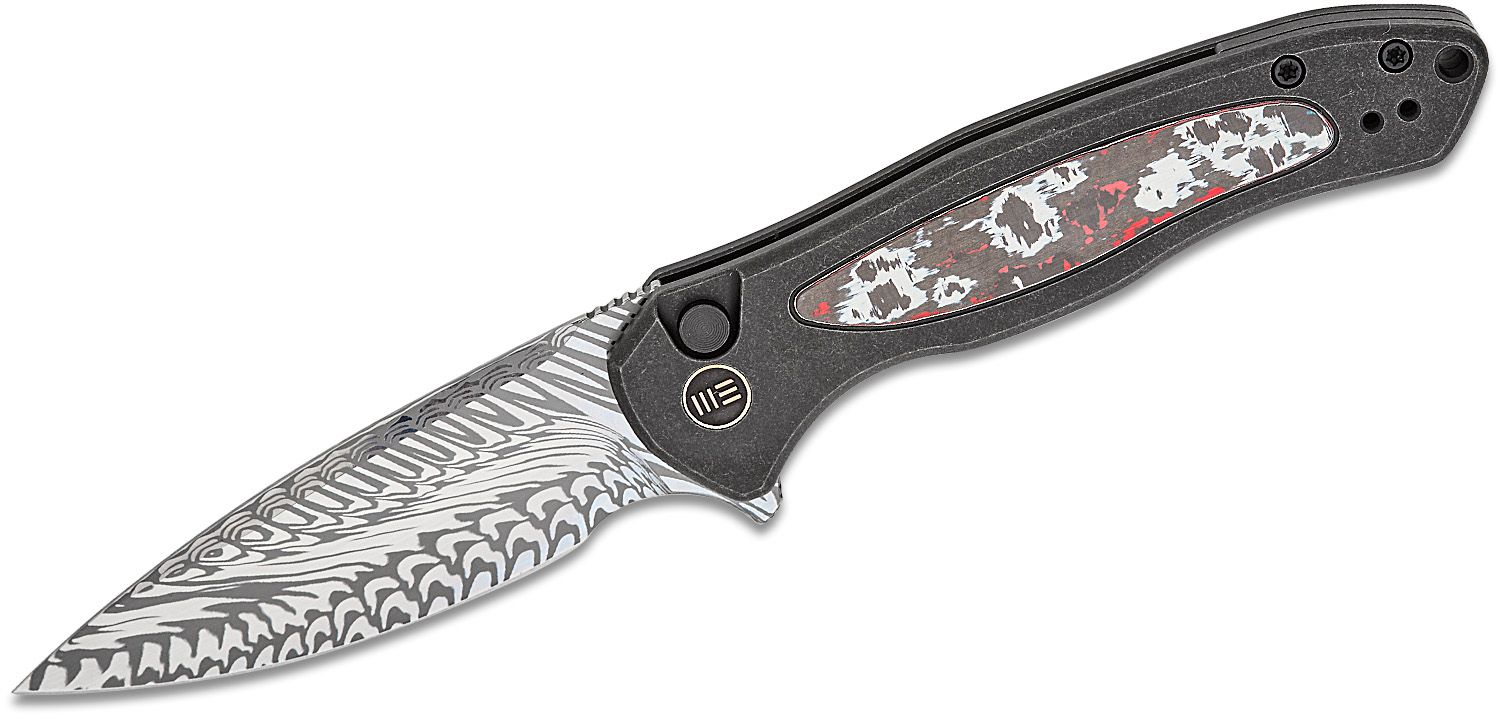
This version runs a 3.25-inch drop point in Damasteel, which is a powder metallurgy steel with performance described as very similar to CPM 154, but with a much dressier look. Titanium handles and an inlay add to the premium feel.
Action is excellent, and while sample-to-sample variance always exists, this one comes close enough that we can feel the pressure on the Malibu.
Kizer Mini Grouper: button-actuated top liner lock done right
The Kizer Mini Grouper isn’t a button lock. Instead, it uses a button-actuated top liner lock, described as a take on the Spyderco-style compression lock concept. With patents expiring over time, more brands are exploring this format, even if they can’t call it a compression lock.
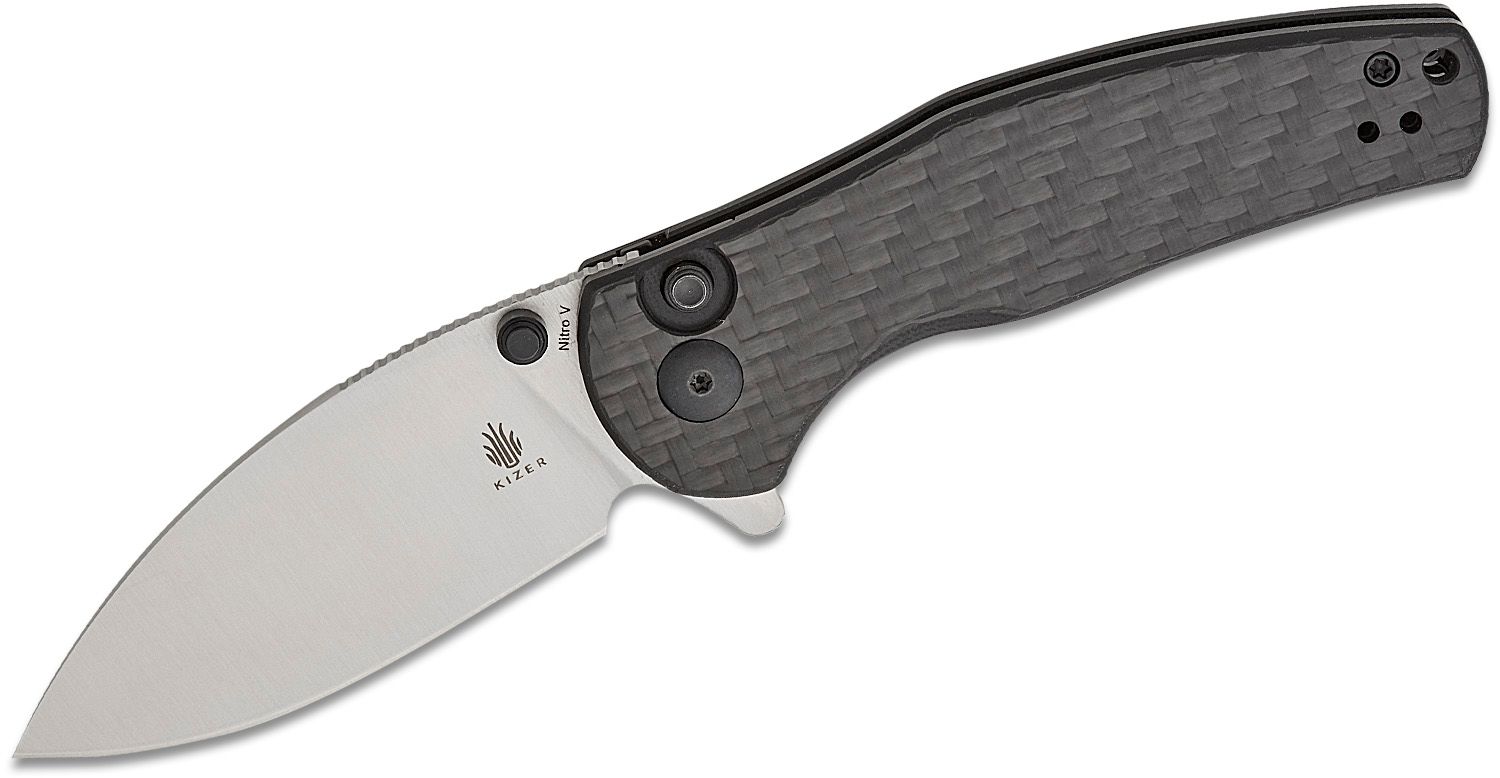
The important part is feel. The action on this one is very, very good, even if it ranks a step below the Malibu in overall satisfaction. It’s also a sign of where the market is going, because more companies are getting good at this style of lock.
Zero Tolerance 0044: the “depends on the day” contender
The Zero Tolerance 0044 brings a similar overall size to the Malibu, but in a more expensive package, around $348. We get an S45VN drop point blade and titanium handles that are milled inside for weight relief, which helps balance and carry comfort.
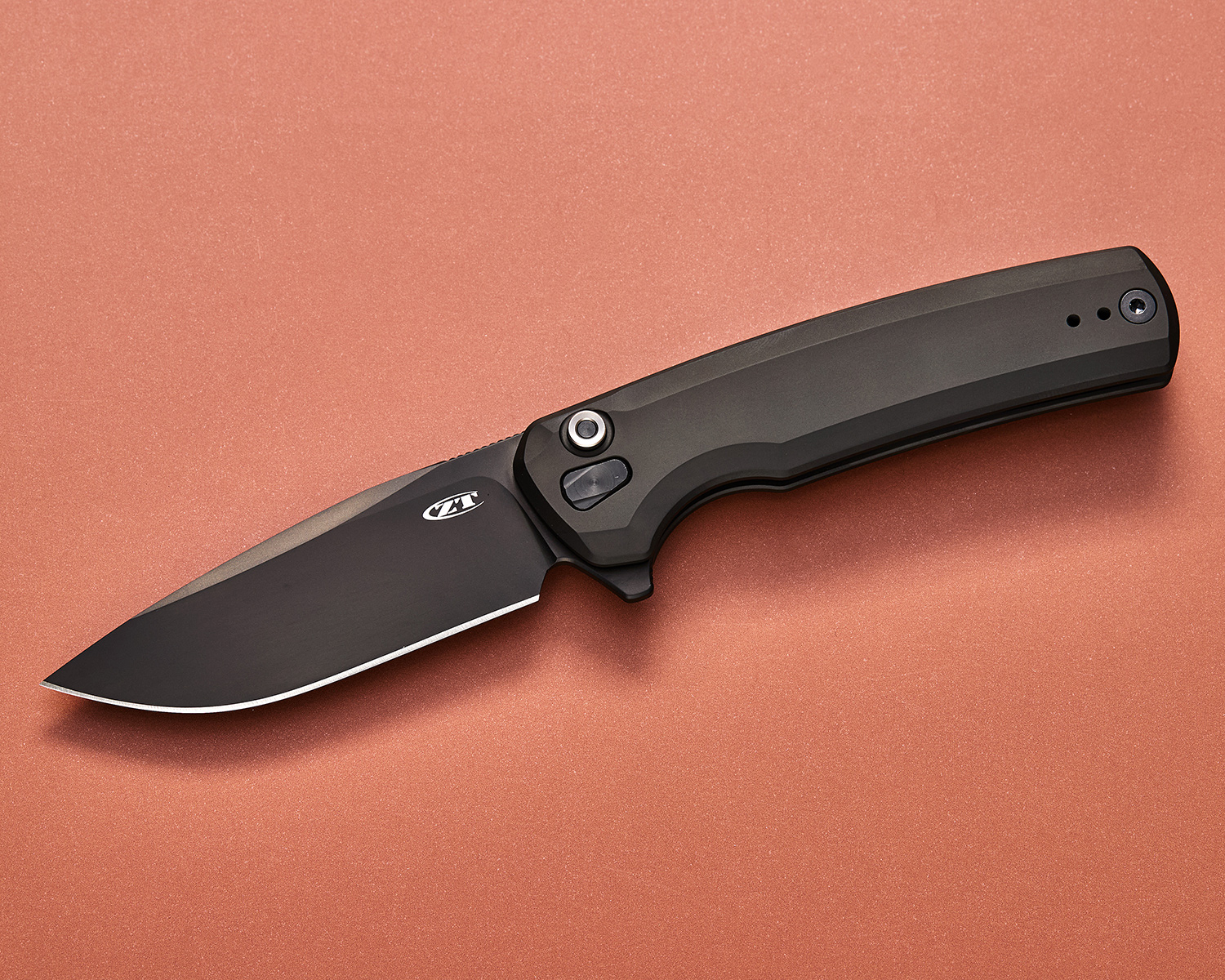
Steel preference will vary. S45VN may not be as desirable to some people as MagnaCut, and it won’t match MagnaCut’s toughness levels, although edge retention should sit in a similar neighborhood for everyday pocket knife use.
The reason it makes this list is the action. The 0044 simply feels stellar, the closest thing on this list to matching or exceeding the Malibu.
Where we landed: Malibu remains king, but the gap is getting smaller
The Malibu still sets the pace because it pairs benchmark-setting action with a size and build that works for daily carry. Budget knives can get surprisingly close, especially for the money, but they usually don’t have the same snap, the same consistency, or the same “finger-safe” ease on the close.
At the higher end, the competition gets real. The WE Kitefin button lock and the ZT 0044 both make strong arguments, and Pro-Tech’s own Mordax and Cambria give us Malibu-like feel with different blade options.